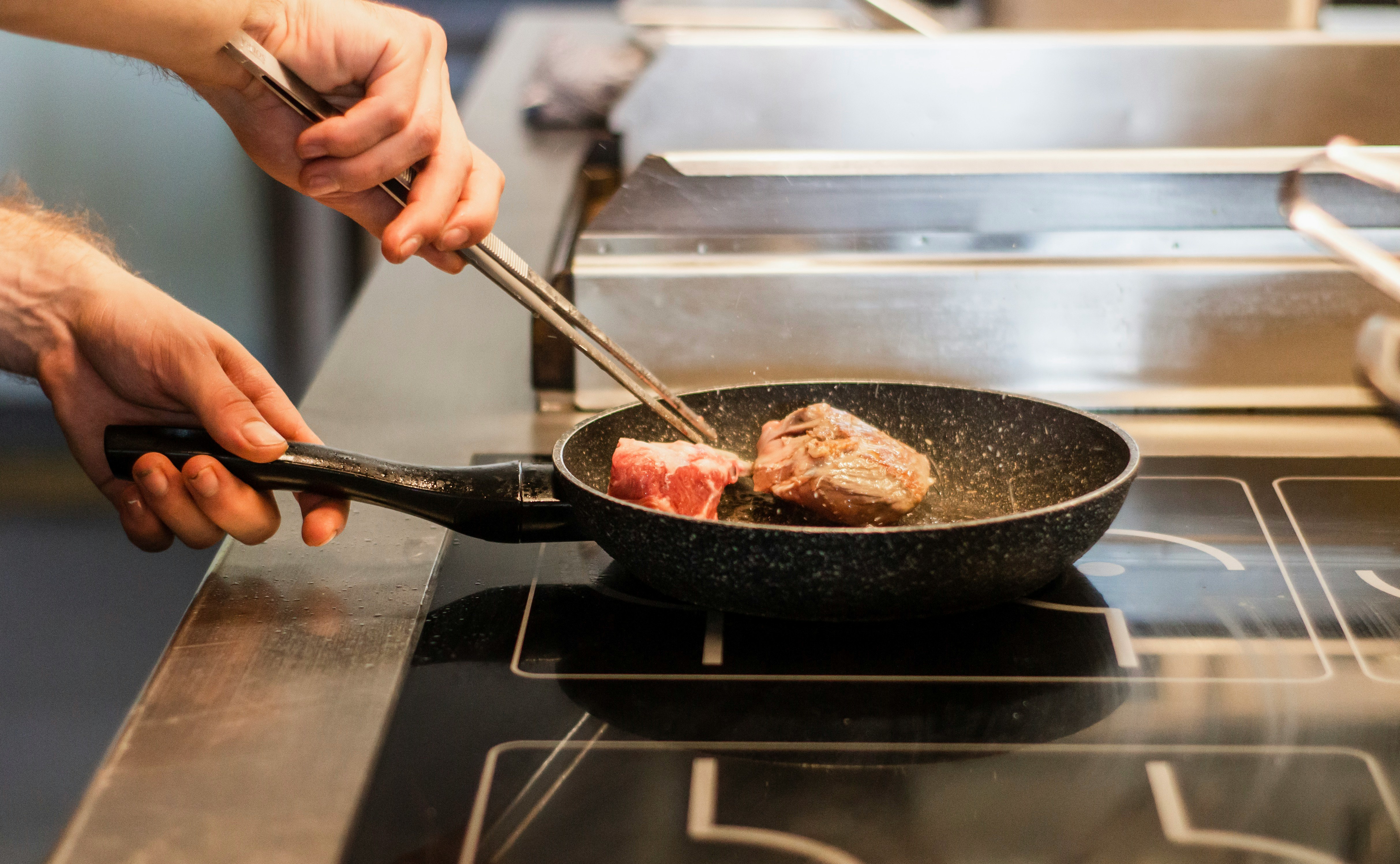
The pages of the calendar were hazy. For thirty days. a full month. And I had cooked without a recipe for the whole duration of that period.
Not a single one. No digital cookbooks open on my tablet, no meticulously printed sheets stained with past culinary adventures, no endless blogs to browse. It was just me, my refrigerator, my pantry, and the murmur of my own instincts. It began as a challenge, a half-joking declaration to a friend during an especially annoying evening spent looking for recipes. “I bet I could cook for a month without looking at a recipe,” I’d declared. The seed was sown, despite her laughter.
Once a passing thought, the idea started to take root in the fertile ground of my curiosity and a growing discontent with the strict, frequently time-consuming nature of strictly following instructions. I was a slave to the recipe, even though I had always thought of myself as a decent cook. A pinch of this, a dash of that—everything seemed so arbitrary when it was prescribed by another person. Imagine being able to sense what was right. The initial days were…
intriguing. When it came to meals, my kitchen, which is typically a place of predictable order, felt both intimidating and thrilling at the same time. Although the sheer freedom was exhilarating, it also brought with it a sense of unease. What if I ended up eating cereal for dinner for a week in a row? What if I made a mess and wasted food?
A Life Without Recipes: The “What Ifs”. On the first day, I recall picturing a particular dish I had prepared a week earlier as I stood in front of my full refrigerator. Normally, I would have used Google to find a recipe that was comparable, then followed it.
| Day | Meal | Ingredients | Time Spent |
|---|---|---|---|
| 1 | Lunch | Chicken, vegetables, rice | 45 minutes |
| 5 | Dinner | Pasta, tomato sauce, garlic, basil | 30 minutes |
| 10 | Breakfast | Eggs, avocado, toast | 20 minutes |
| 15 | Dinner | Salmon, quinoa, asparagus | 40 minutes |
| 20 | Lunch | Beef, potatoes, green beans | 50 minutes |
| 25 | Dinner | Shrimp, couscous, bell peppers | 35 minutes |
| 30 | Lunch | Tofu, broccoli, brown rice | 25 minutes |
However, it was different today. What did I feel like? What ingredients were calling to me? I saw some chicken thighs, a sad-looking bell pepper, and a carton of sadder-looking mushrooms.
Initially hesitant, my gut told me to make a basic stir-fry. No exact measurements, no particular sauce components. I had a gut feeling that the best combination would be olive oil, soy sauce, a generous amount of garlic, and possibly a little acid.
My Initial Experience with “Instinct Cuisine”. The end product was edible. It wasn’t a disaster, but it also wasn’t a revelation.
The vegetables kept some of their crispness, the chicken was cooked through, and the sauce had a good ratio of savory to salty. This led to the creation of my “Feel → Decide → Taste → Adjust → Finish” mantra, which would serve as my compass for the next thirty days. The “Taste” was the pivotal point of self-correction, the “Decide” was the choice of ingredients, the “Adjust” was the real magic, and the “Finish” was the plating and enjoyment. This was unquestionably the most significant change I went through. I now see how underdeveloped my palate was prior to the challenge.
I was adept at adhering to recipe-specified flavor profiles, but I wasn’t really paying attention to the food. I had to become a detective of taste during the 30-day experiment, continuously challenging and improving. Learn the Holy Trinity of Fat, Salt, and Acid to Become a Flavor Architect. Add salt. acid.
fat. These three amigos are the cornerstone of deliciousness, and I learned to use them with newfound skill from my innate cooking. I discovered how to spot when a dish begged for a dollop of yogurt, a splash of vinegar, or even a squeeze of lemon juice to cut through richness. I recognized the power of fat for mouthfeel and carrying other flavors in addition to flavor. Of course, salt was the best enhancer, but instead of adding it all at once, I learned to add it gradually while tasting. Choosing the Correct Kick: The Heat Game.
Spice was turned into a playground. I used to be cautious and would strictly follow the “1/2 teaspoon cayenne” recommendation. I would now look at my hot sauce, jalapeños, and chili flakes & assess how the dish felt, determining whether it was a fiery conflagration or a mild warmth.
I even discovered how to extract a subtle heat from garlic and ginger, realizing that they are more than just aromatic spices. Understanding the subtle differences between the quick punch and the slow burn was crucial. As the days passed, I noticed that I was organically creating short routines and shortcuts to train my palate and mind.
The first nebulous “feeling” started to solidify into more tangible tactics, reflecting some of the same frameworks that I would later learn were well-liked in the online “no-recipe” communities. The “10-Minute Intuition Drill”: Flavor Constituents. I started referring to this as my “intuition drill for ten minutes.”. It’s easy: pick a base ingredient (grain, protein, or vegetable), a modifier (sauce, herb, or spice), and a finish (topping, garnish). Chicken thighs, peanut sauce, cilantro, and chopped peanuts, for example.
Or roasted sweet potatoes with toasted pumpkin seeds, cinnamon, & maple syrup. Even though it wasn’t a recipe, this methodical approach gave me a framework for creativity and made sure I wasn’t just putting things together at random. I was able to see how various flavor profiles could be developed and layered thanks to it. The “Fix It or Start Over” approach.
Undoubtedly, there were days when things went awry. I recall one especially terrible curry attempt where I added far too much chili powder because I misjudged the amount of spice. My first reaction was to get scared & look up “how to fix overly spicy curry” on Google. However, the challenge required something different.
I had to decide on a solution after feeling the issue. In that instance, a generous pour of coconut milk and a dollop of plain yogurt were used, along with a gradual process of tasting and adjusting until the heat was reduced without compromising the flavor. Other times, I just gave up & tried again, realizing that sometimes the best course of action is to concede defeat and try again, armed with the lessons learned from the failed attempt. One of the most important aspects of my development was my ability to adjust and grow from my errors.
Beyond the sheer delight of cooking with my newfound freedom, the 30-day challenge changed my life in real, possibly unexpected ways. It wasn’t just about cooking; it was also about how it affected my financial situation and habits. Financial Impact: From Takeout Tirades to Homemade Haven. I didn’t realize how much money I would save.
Although I don’t go out to eat every night, I will admit to occasionally placing an impulsive order when I’m tired or faced with a difficult recipe. My monthly expenses significantly decreased after I got rid of the need to “quickly look up something easy,” which frequently resulted in ordering in. I think I saved more than $500 just from impulsive takeout and eating out. This wasn’t just about the money; it was also about using that money for other purposes, and above all, for preparing more nutritious, healthful meals at home. The Nourishment Factor: A Better Plate, A Happier Gut. Using more whole, unprocessed ingredients was a natural result of cooking without recipes.
I usually grab what’s fresh & in season when I’m not constrained by ingredient lists. This meant a wider variety of grains, more vegetables, and more lean proteins. I noticed that I was using fewer prepackaged marinades and sauces, which are frequently high in sugar and sodium. My meals became more colorful, nourishing, and, to be honest, more fulfilling.
Knowing that I was feeding my body food that I had intentionally produced made me feel better both mentally and physically. I also noticed a reduction in food waste. Instead of letting wilting greens or leftover vegetables sit in the crisper drawer, I’m more likely to make use of what I have when I cook from instinct.
As I delved deeper into this culinary experiment, I started to notice online conversations that mirrored my own experiences. Platforms like Reddit and YouTube were buzzing with people embracing their own “no-recipe” challenges, sharing their triumphs and their hilarious (and sometimes disastrous) missteps. Seeing that I wasn’t traveling alone was immensely encouraging & reassuring. Online “No-Recipe” Tribes: Finding Kinship in the Kitchen. I felt a sense of community when I read about other people’s experiences with similar “mixed bag” outcomes in the beginning or their inventive solutions for culinary disasters.
It reaffirmed the notion that errors are opportunities for learning rather than failures. The internet community celebrated the joy of intuitive cooking, shared advice, and offered support. It was evidence of the ability of shared experiences to promote personal development and inspire people to venture beyond their comfort zones. My Cooking’s Future: Accepting Imperfection, Respecting Senses. I didn’t suddenly become a Michelin-starred chef at the end of the thirty days.
However, I did change from being a recipe follower to a self-assured chef who has faith in her senses & a basic understanding of flavor. A flexible, flexible approach has taken the place of the strict structure of recipes. Recipes are no longer my masters, but I still occasionally refer to them for ideas or to pick up new skills.
They are not crutches to rely on; rather, they are tools to be used as I see fit. The 30-day challenge was more than just a personal experiment; it was a journey that liberated my culinary spirit & permanently altered how I approach my kitchen & the food I prepare. And tomorrow, I’m excited to see what my gut tells me to cook.
.
Leave a Reply