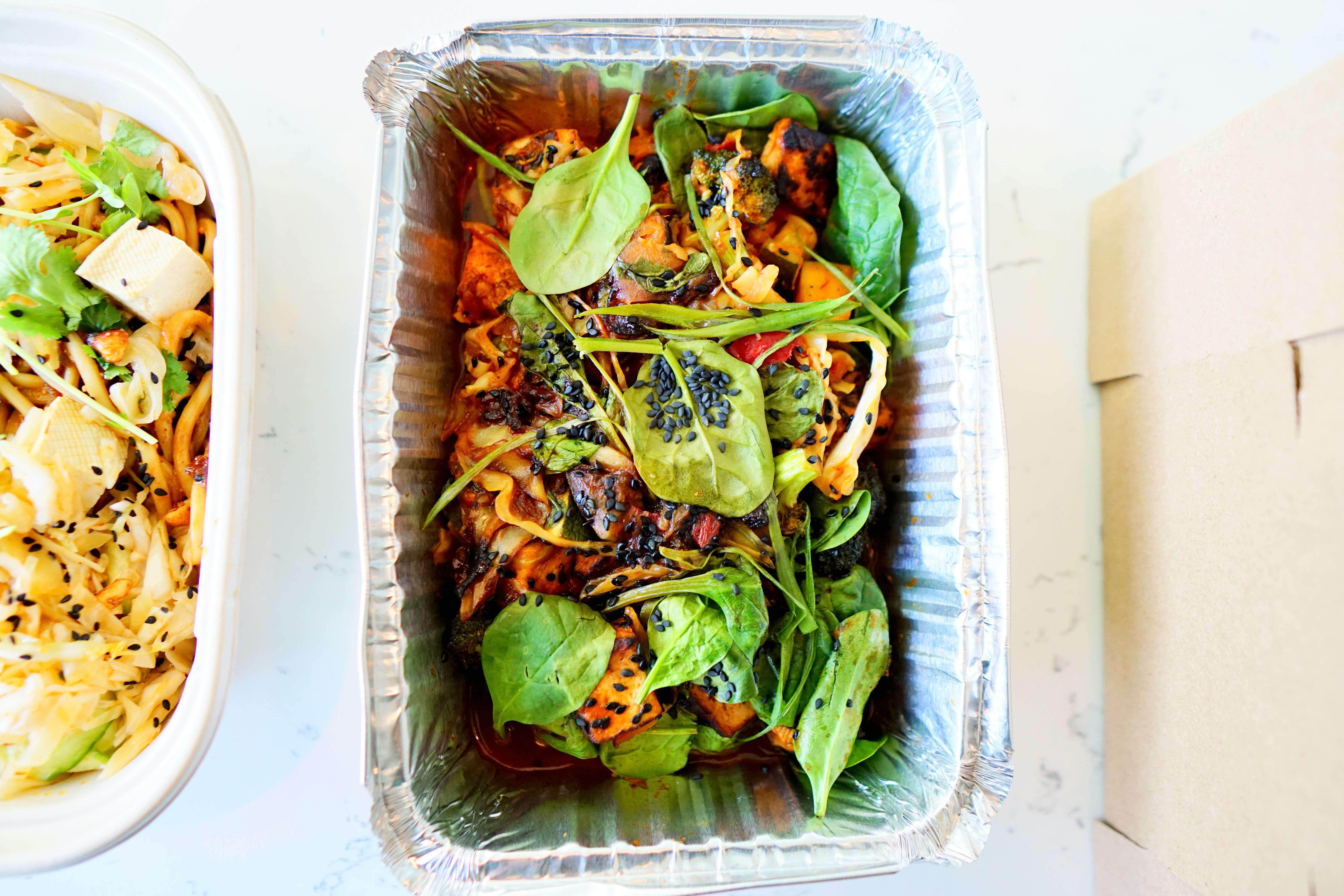
I recently started a 30-day journey that, at first glance, seemed pretty harmless: I just stopped getting takeout. What began as a lighthearted experiment—a hint of a challenge I’d noticed circulating through different online communities—quickly developed into something far more revolutionary. I, a creature of convenience and often, of sheer culinary laziness, committed to preparing all my meals at home for an entire month. In retrospect, I can state with confidence that it was one of the most enlightening and ultimately fulfilling personal challenges I’ve faced in a long time.
To be honest, this experiment wasn’t sparked by a big revelation about frugal living or better eating habits. It was more of a slow, creeping realization—a mental tally of how much of my hard-earned money was evaporating into the pockets of delivery apps & restaurant owners, often for meals that barely satisfied me. Convenience’s Growing Cost. I began calculating in my head how much I usually spent on takeout each week.
It added up—a quick order of sushi here, a late-night pizza there, a bowl of burritos when I was too exhausted to cook. And quick. I calculated that I was easily spending between $70 and $100 per week on takeout, sometimes even more if I indulged in a few “splurge” meals. This amounted to at least $280 to $400 per month.
At first, I thought it was exaggerated when I saw accounts of people saving $150 to $300 a month. I get it now. My aim wasn’t just to save money, but to see how much I could save. Redirecting those funds to something more significant, such as a new device or a small vacation fund, was a strong incentive. A Desire for Better Health and Transparency.
In addition to the financial burden, I was becoming increasingly concerned about what I was really putting into my body. I had too many experiences with that well-known post-takeout bloat. The sluggishness, the vague indigestion, and the slightly foggy feeling.
| Days | Takeout Orders |
|---|---|
| 1 | 0 |
| 2 | 0 |
| 3 | 0 |
| 4 | 0 |
| 5 | 0 |
| 6 | 0 |
| 7 | 0 |
| 8 | 0 |
| 9 | 0 |
| 10 | 0 |
| 11 | 0 |
| 12 | 0 |
| 13 | 0 |
| 14 | 0 |
| 15 | 0 |
| 16 | 0 |
| 17 | 0 |
| 18 | 0 |
| 19 | 0 |
| 20 | 0 |
| 21 | 0 |
| 22 | 0 |
| 23 | 0 |
| 24 | 0 |
| 25 | 0 |
| 26 | 0 |
| 27 | 0 |
| 28 | 0 |
| 29 | 0 |
| 30 | 0 |
I was cognizant of the fact that, despite their deliciousness, restaurant food frequently contained more sugar, salt, and oil than I would use at home. I was itching to have better sleep & less bloating after reading about other people’s experiences. I longed for ingredient transparency & the assurance that comes from knowing precisely what’s in my food & how it was cooked. I wanted to get rid of the uncertainty and stay away from artificial preservatives, excessive fats, and hidden MSG.
Regaining control over my diet seemed to be a direct result of this challenge. The impact on the environment. Although I’m not a strong environmentalist, I am aware of my waste. Every time I placed a takeout order, a tiny pile of disposable cutlery, tiny sauce packets, & plastic containers grew. My kitchen trash can would fill up dangerously fast, mostly with non-biodegradable waste that I knew would wind up in a landfill. Another quiet but powerful motivator was the idea of making a smaller contribution to this issue and witnessing a significant drop in my non-biodegradable waste.
It seemed like a modest act of accountability that I could do on a regular basis. I had to completely change the way I think about food in order to commit to 30 days without takeout. It involved actively doing something different rather than merely refraining from placing an order. Embracing grocery shopping and meal preparation.
This was unquestionably the key to my success. Every Sunday, I spent an hour or two organizing the meals I would be eating that week. In order to do this, I had to look at my schedule, choose what I wanted to cook, and then make a detailed grocery list. At first, this seemed like a laborious addition to my weekend.
However, I soon saw that it was an investment that paid off in terms of time, stress, and weekly savings. I enjoyed looking through recipes, trying out new ingredients, & planning my week’s cooking adventures. My grocery shopping became more focused, efficient, and free of impulsive purchases, all of which helped me save more money. Uncovering My Inner Chef (or at least a Skilled Cook).
My cooking skills were rather limited prior to this challenge. I had my favorite “easy” meals, but I wasn’t very good at switching things up. I was compelled to step outside of my comfort zone this month. I found myself trying new recipes, learning new techniques, and even enjoying the process.
I broadened my culinary horizons by experimenting with everything from basic stir-fries and filling pasta dishes to more complex curries and roasted vegetables. Naturally, there were a few burned offerings & culinary blunders, but overall, I was pleasantly surprised by what I could accomplish. Making a tasty meal from scratch turned into a source of fulfillment and pride. Managing Social Circumstances and Desires. Maybe this was the hardest part.
I had to be cunning when friends suggested we go out to dinner or when I had a late-night craving for a particular dish. I would either recommend potlucks for social events where I could contribute a homemade dish, or I would eat at home before heading out and simply order a drink or a small appetizer. In terms of cravings, I’ve learned to recognize them and either divert my attention or make a similar dish at home using healthier ingredients. Frequently, the craving subsided or I came to the conclusion that the convenience was more important than the actual food.
Despite being difficult, this discipline felt empowering. Although I expected some favorable results, I was genuinely taken aback by the wide range of advantages I encountered. This was about improving my overall quality of life, not just saving money. A more vigorous and healthy me. It was a significant internal change. I noticed a slight change in my digestion during the first week.
After a takeout meal, I no longer felt bloated and heavy. I felt lighter and more at ease. This developed into a discernible rise in my energy levels as the weeks went by. My sleep was much better, and I wasn’t having the afternoon slump as much. I felt more rested & prepared to take on the day when I woke up.
I felt in control and at ease knowing exactly what ingredients I was eating. I could stay away from excess fat, hidden sugars, & preservatives, which immediately improved my physical and mental well-being. Even my skin appeared clearer, which was a minor but pleasant side effect. Recovered funds and financial freedom.
This was an important discovery. I determined my savings at the end of the thirty days. I carefully kept track of each grocery receipt and contrasted it with the amount I had previously spent on takeout. In my opinion, the reported savings of $150 to $300 were on the higher end of that range, but they were also accurate. I was able to use the substantial sum of money I had saved for other objectives.
It was immensely liberating to have financial stability. It demonstrated to me that gradual, minor adjustments can result in significant financial gains. In addition to saving money on the actual meals, I was able to avoid all of the subtle service fees, delivery costs, and gratuities that quickly drive up the price of takeout. A clearer conscience & a cleaner house. Another unexpected benefit was the influence on my immediate surroundings.
My kitchen bin used to be filled to the brim with plastic wrappers & containers, but it now contained a lot less trash. It was both visually arresting and incredibly satisfying to see the sharp decline in non-biodegradable waste. It reaffirmed the notion that my individual decisions have a real, albeit minor, influence on the environment. The leftovers of quick but wasteful meals made my house feel cleaner & less cluttered. In addition to being in line with my increasing ecological consciousness, this waste reduction also made my living area feel more organized and clean overall.
Without a doubt, what began as a 30-day challenge has grown into much more. I think I’ve completely changed how I feel about convenience and food. The Transition to Sustainable Cooking at Home. I genuinely think that this challenge has assisted me in developing new, healthier routines. For me, the “30-day challenge” has become a new standard rather than merely a fad. I now enjoy meal preparation and cooking at home.
It’s now a routine that I truly look forward to rather than a chore. I’m prioritizing fresh ingredients, making better food choices, and relishing the creative cooking process. Now, the thought of going back to regular takeout seems almost unthinkable. I can see myself joining the ranks of many people who began with a brief challenge and extended it for weeks, months, or even longer.
Making takeout a special occasion rather than a go-to choice is more important than never eating it again. Using Digital Accountability (Discreetly). The underlying idea of digital accountability was subtly at work even though I didn’t specifically use a “Stop Takeout” app. I made my own little streak tracker by marking off each successful day with a simple note on my phone. This graphic depiction of my development was immensely inspiring, particularly in those weak points.
The existence of such specialized apps, which only emphasize self-accountability and don’t offer unsolicited advice, confirms the significance of monitoring minor victories. It supports the notion that sometimes all we need to stay dedicated is a straightforward method of tracking our progress. In order to reinforce the good habits I’ve developed, I intend to keep using this straightforward technique to monitor times when I don’t order takeout. To sum up, my 30-day no-takeout challenge had a much greater impact than I had anticipated. It improved my health, decreased waste, saved me money, & completely altered the way I thought about food.
This experience has not only made me cook more, but it has also made me more thoughtful, resourceful, and, in the end, happier and healthier. Anyone who wants to change their life for the better should definitely take this challenge.
.
Leave a Reply