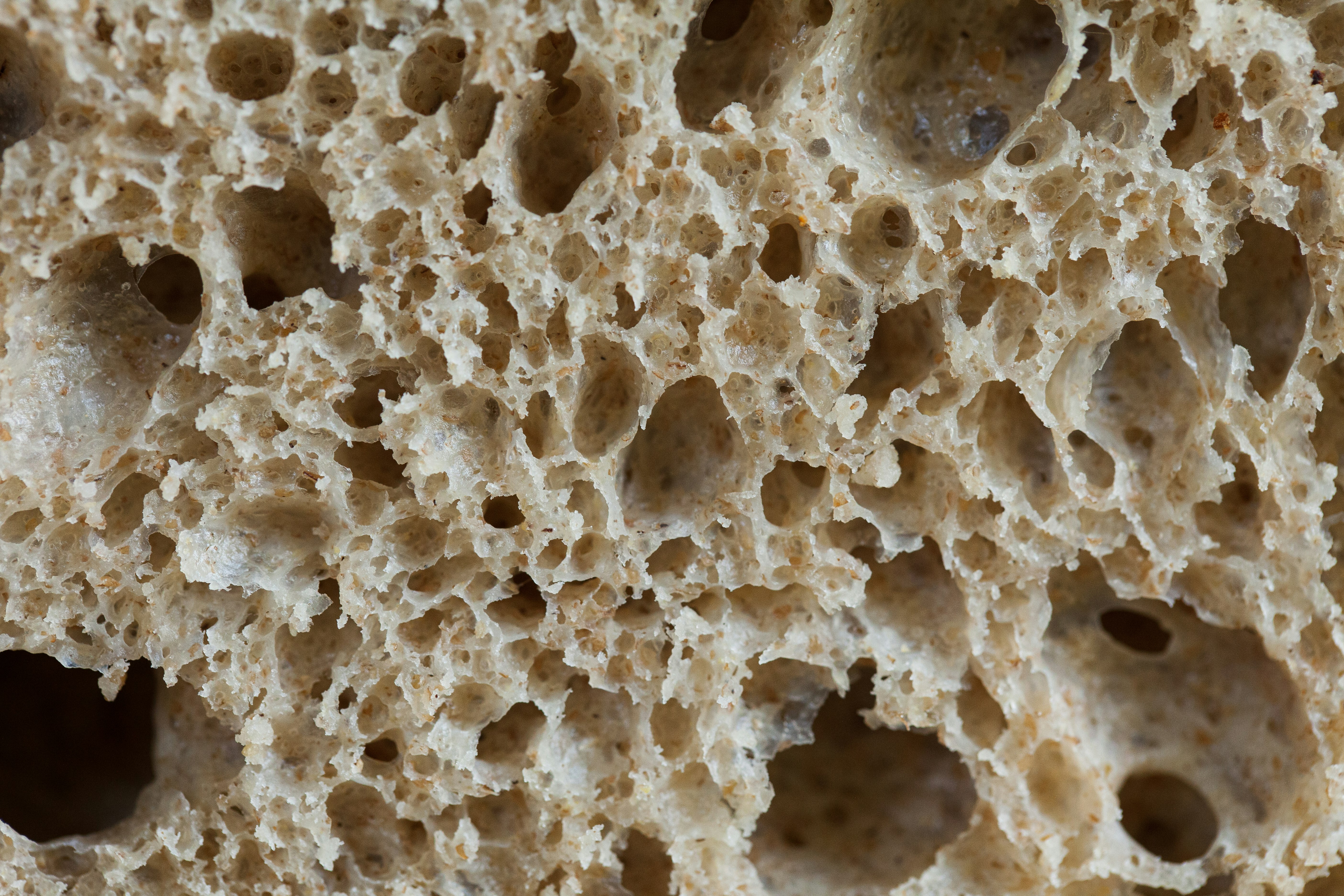
I was first struck by the scent, which was a warm, yeasty embrace that promised nourishment and solace. Then I realized that I was the one who had made that. My kitchen has been a fragrant haven for the past month, a monument to flour, water, and my own unwavering willpower. I had set out on a quest, a 30-day self-imposed challenge to make my own bread every week.
I had no idea that this seemingly straightforward project would turn into a life-changing experience that would profoundly integrate into my everyday routine and awaken an unanticipated sense of primordial joy. Like most obsessions, it began quietly. A growing chorus of voices praising the “millennial trend” of baking at home, particularly bread, had been appearing in articles. At first, I thought it was just another passing trend.
However, I later came across accounts of individuals extending the 30-day challenge into an entire year and creating dozens of recipes, ranging from delicate Filipino ensaymadas to rustic French boules. I was captivated by the sheer diversity and commitment. From Spectator to Participant. Although I had always loved the thought of fresh bread, the process of actually making it seemed intimidating.
My previous attempts had resulted in bricks or flat, uninspired dough. But as I dealt with the day-to-day pressures of contemporary life, the persistent murmurs of a creative, therapeutic outlet started to resonate with me. I made the decision to jump right in, armed with a healthy dose of skepticism & a renewed sense of curiosity. Could this be my way out?
My creative outlet? Changing My Perspective. One of the first things I had to do was shed the notion that I needed special equipment. Every article I came across confirmed that using a regular home oven to bake bread was feasible.
| Week | Number of loaves baked | Time spent baking (hours) | Favorite recipe used |
|---|---|---|---|
| 1 | 2 | 3 | Sourdough |
| 2 | 3 | 4 | Whole wheat |
| 3 | 2 | 3.5 | French baguette |
| 4 | 4 | 5 | Cinnamon raisin |
| 5 | 3 | 4 | Artisanal white bread |
| 6 | 2 | 3.5 | Garlic and herb focaccia |
| 7 | 4 | 5 | Rye bread |
| 8 | 3 | 4 | Challah |
| 9 | 2 | 3.5 | Multi-grain bread |
| 10 | 4 | 5 | Brioche |
| 11 | 3 | 4 | Irish soda bread |
| 12 | 2 | 3.5 | Bagels |
| 13 | 4 | 5 | Pita bread |
| 14 | 3 | 4 | English muffins |
| 15 | 2 | 3.5 | Ciabatta |
| 16 | 4 | 5 | Baguettes |
| 17 | 3 | 4 | Pretzels |
| 18 | 2 | 3.5 | Naan bread |
| 19 | 4 | 5 | Focaccia with cherry tomatoes |
| 20 | 3 | 4 | Rustic country bread |
| 21 | 2 | 3.5 | Baguettes with olives |
| 22 | 4 | 5 | Whole grain sandwich bread |
| 23 | 3 | 4 | Gluten-free bread |
| 24 | 2 | 3.5 | Baguettes with herbs |
| 25 | 4 | 5 | Cheddar cheese bread |
| 26 | 3 | 4 | Baguettes with sesame seeds |
| 27 | 2 | 3.5 | Whole wheat sandwich bread |
| 28 | 4 | 5 | Baguettes with poppy seeds |
| 29 | 3 | 4 | Baguettes with sunflower seeds |
| 30 | 2 | 3.5 | Baguettes with flax seeds |
My hands, a bowl, & a few simple ingredients—no fancy stand mixers or proofing boxes. This accessibility was a huge motivator. It was about mastering a craft with what I already had, not about buying new technology. My first week was dedicated to sourdough, an almost inevitable choice given its prominence in recent baking trends. In the back of my refrigerator was a neglected sourdough starter from an earlier, unsuccessful attempt. A revival was in order.
The Art of Maintenance for Starters. The instructions I discovered were invaluable, particularly the ones that explained how to keep a starter in the refrigerator without a rigid feeding schedule. This was important to me because I knew that my hectic schedule would make it impossible to maintain a daily feeding schedule. After learning about the “discard-free methods,” I fed my starter just enough to keep it vibrant and active without producing a ton of waste. It was like caring for a living, breathing creature that was the secret to complex, tangy loaves.
My Very First Perfect Loaf. It wasn’t the best sourdough loaf I’ve ever made. The crust might have been a bit too dark, and the crumb was a bit dense.
But the flavor! That distinct, sour tang, the chewy interior, the crackle of the crust – it was pure magic. I had a great sense of achievement. This was more than just bread; it was an example of perseverance, close observation, & the strength of microscopic, undetectable yeasts at work.
I knew I couldn’t restrict myself, even though sourdough had a particular place in my heart. The news articles I had read mentioned experimenting with cheesy loaves, seeded grains, ancient grains, and even sweet breads. It seemed like there were countless options. Accepting Diversity: From Savory to Seeded.
I switched to a seeded whole wheat loaf for the second week. In addition to adding a delightful crunch, the addition of sunflower, sesame, and poppy seeds added a lovely visual appeal. Unlike the sharp tang of sourdough, the aroma while it baked was earthy & cozy. I discovered that I was drawn to recipes that offered complexity and texture beyond the simple flour, water, and salt combination.
Savory rolls are a delight. I made the decision to try savory rolls later in the week. I came upon a recipe for cheesy garlic knots that looked like a hit. It was very satisfying to knead the dough while adding lots of grated cheese and minced garlic. It was an absolute bliss to take them out of the oven, golden brown and shimmering with melted butter.
They were so delicious that they vanished almost as fast as they appeared. By the third week, I was completely engrossed. As the habit developed, my internet research brought me to a number of bread-baking communities. These online forums were teeming with activity as users shared their daily outcomes and offered support.
Using Online Challenges to Find My Tribe. I came upon online communities that hosted “30-day bread challenge compilations,” where participants shared pictures and narratives of their baked goods. Seeing the wide variety of breads being made—from intricately braided loaves to straightforward, rustic hearth breads—was immensely inspiring. I even noticed requests for particular, culturally rich recipes, such as the Filipino “Enzymada” (Enchilada) bread, which is a sweet brioche-like bun made with cheese, butter, and sugar. It served as a reminder that baking bread is a universal language that cuts across national borders. Kneading’s Healing Power.
I became aware of the process’s significant therapeutic effects in addition to the delectable final product. Calm and mindfulness were enhanced by the rhythmic kneading, the sensation of the dough changing beneath my hands, and the silent waiting during the proofing process. As an anchor in an otherwise erratic week, I discovered that I was looking forward to my weekly baking session. Prominent media outlets such as VICE, CBS News, and Food and Wine were correct—this was a creative & therapeutic outlet.
I thought back on the achievements and, yes, the unavoidable setbacks as my 30-day challenge drew to a close. Not every loaf was a work of art, and that was acceptable. According to recent reports, some breads are “less successful” than others, highlighting the learning curve even though many bakers achieve success right away.
Unexpected obstacles and creative solutions. My attempt at a heavily hydrated ciabatta was my most “less successful” experience. The fact that it was more of a dense pancake than a crusty slipper was evidence of my lack of experience with sticky doughs. I found myself using the extensive resources at my disposal rather than giving up.
I recalled hearing about hotlines for bakers, such as King Arthur Flour’s. Even though I didn’t call, it was consoling to know that professional assistance was only a phone call away. For inspiration, I went back to internet discussion boards and even took out a copy of My Bread: The Revolutionary No-Work, No-Knead Method, which I found to have a strong emphasis on simplicity.
My Next Baking Projects. I am aware that my bread-baking journey is not over when I look beyond the 30 days. I’d like to sample the ancient grains—spelt, emmer, and einkorn—that I’ve read about. Adding more wild yeasts and exploring the realm of natural fermentation intrigues me. For many bakers, extending this challenge to a full year no longer seems so intimidating; in fact, it sounds like an exciting new frontier.
On day 30, I took my last loaf out of the oven, a fragrant, golden-brown tribute to my month-long project, and I felt incredibly satisfied. This was about more than just the bread; it was about the method, the education, & the bond with an ancient craft that has kept people alive for thousands of years. Beyond merely food. Baking bread once a week for thirty days—and, I believe, much longer—has evolved beyond a simple daily task. It’s an artistic expression, a voyage of self-discovery, and a deeply consoling experience. It is accessible, reasonably priced, and incredibly fulfilling.
And I know I’ve discovered a passion that will sustain my body & spirit for years to come as I cut into another warm, aromatic loaf.
.
Leave a Reply