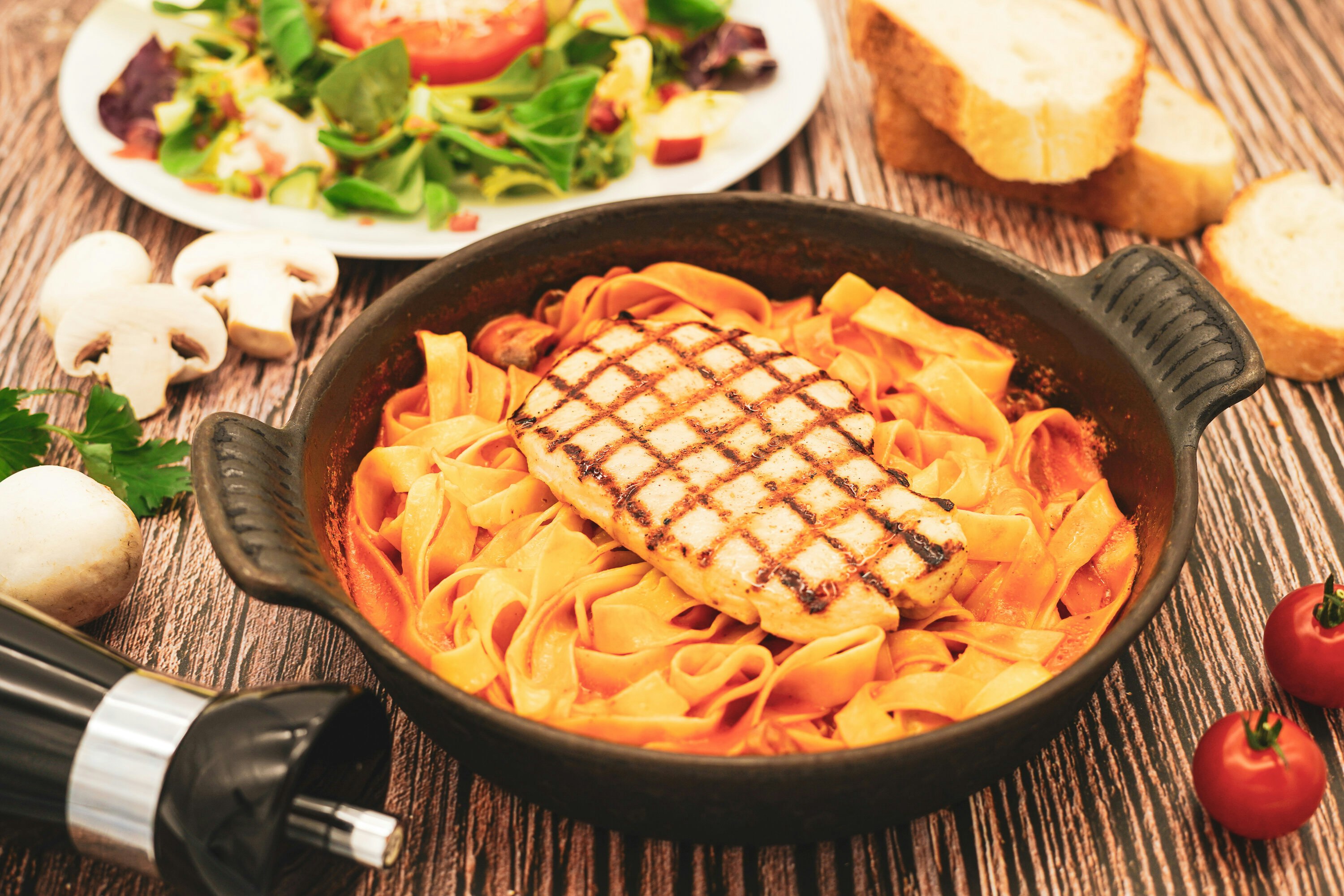
Have you ever considered giving up all your other pans? A friend asked us this as we were discussing the ongoing debate between cast iron and non-stick cookware, which has become particularly heated in 2025–2026. This shift in preference is largely due to growing concerns about PFAS “forever chemicals” found in scratched non-stick coatings. As a result, major health organizations and chefs are increasingly promoting cast iron.
I had always used cast iron sparingly and relied on a reliable Lodge skillet for baking cornbread or searing steaks. However, I felt like I was in a relationship with it, and I decided to challenge myself by embracing the growing anti-stick sentiment and the appeal of a “non-toxic” kitchen. I resolved to replace all my other cookware, including ceramic pans, stainless steel pots, and a small egg skillet, with a single, sturdy cast iron pan for thirty days.
The initial hesitation came from overcoming my own misconceptions about cast iron. The internet is filled with conflicting advice on how to care for cast iron cookware. Years ago, I had heard whispers that soap was the enemy, a sign of rust, and a destroyer of seasoning.
I realized that many people have been discouraged from fully embracing cast iron due to this deeply held belief. I had to confront the notion that my cherished cast iron pan could never come into contact with soap.
This idea would have made my former self cringe. To avoid the dreaded suds, I had scrubbed my cast iron pan with salt and hot water and endured smoky kitchens while trying to re-season after a particularly stubborn food incident. However, the past few years, especially between 2024 and 2026, have brought much-needed attention to this topic.
Here’s how my experiment went:
– Day 1: Breakfast – Scrambled eggs
– Day 10: Lunch – Grilled chicken
– Day 20: Dinner – Steak with roasted vegetables
– Day 30: Breakfast – Pancakes
Food scientists, like O’Keefe from Virginia Tech, have actively dispelled this misconception. They explain that mild dish soap and warm water are safe for well-seasoned pans. This revelation changed everything. The idea of daily, exclusive use became more feasible when I realized I could clean my pan completely without removing its hard-earned patina. This lifted a significant burden and eliminated a major reason why I (and countless others) might have shied away from cast iron as a sole cooking vessel in the past. It’s like having an invisible shield for seasoning anxiety.
Apart from the soap conundrum, I was also a bit concerned about keeping the pan seasoned. I imagined myself in an endless cycle of cooking, cleaning, and then re-seasoning—an endless Sisyphean task. Would regular use wear it down faster? Would some foods be disastrous? Fortunately, current knowledge suggests that maintaining and enhancing seasoning is best achieved through consistent cooking, especially with fats.
Therefore, the “exclusive use” challenge was more about allowing the pan to develop a strong, naturally non-stick surface through sheer repetition than it was about fighting seasoning loss. The Learning Curve and the Non-Stick Detox in Week One. The first week was a whirlwind of adjustments.
Other than the sizzle of my cast iron, my kitchen, which is usually a symphony of clanging pots and pans, fell silent. I carefully prepared my meals, understanding that the specific requirements of the cast iron would apply to stir-fries, omelets, and even pan-fried vegetables. Accepting the Patina: A Novel Connection to Oil. In the past, I cooked in cast iron in a rather haphazard manner using oil, frequently relying on the pan’s natural seasoning to do most of the work. This experiment made me more thoughtful. I discovered that properly heating the pan with a thin coating of oil was essential.
Eliminate the need for a cold pan, cold oil, and ingredient dumping. My new markers for when the pan was truly ready were the shimmering effect and the subtle waft of smoke. I began to relish how ingredients transformed in a hot cast iron skillet, creating delightful crusts and even browning—things I used to take for granted with my nonstick pan.
In my opinion, the omelet is the ultimate test for any pan. For years, I exclusively used my nonstick pan without PFOA for this delicate task. However, my cast iron’s initial attempts were quite instructive.
Most of the time, I ended up with scrambled eggs. But with perseverance, careful preheating, and a generous (but not excessive) amount of butter or oil, I managed to produce a beautifully cooked omelet that slid effortlessly. This small victory felt monumental, reinforcing my belief that cast iron could indeed replace my non-stick pan for practically anything. It was a tangible demonstration of the growing belief that cast iron is a safe and efficient substitute for the chemical-laden non-stick that major health organizations are increasingly warning against.
By week two, the initial awkwardness had subsided, replaced by a heightened sense of self-assurance and a deeper understanding of my pan’s capabilities. I began experimenting more, pushing the boundaries of what I thought could be achieved in a single skillet. Iron Boost: An Unexpected Health Advantage. During this time, I became intrigued by the nutritional value of using cast iron for cooking.
What many have suspected is confirmed by recent data: cooking acidic, high-moisture foods in cast iron can significantly increase their iron content. I frequently prepared tomato sauces, made a hearty chili, and braised greens with a splash of vinegar. While I don’t suffer from iron deficiency, the thought that I was potentially boosting my iron intake by up to six times was quite appealing.
Leave a Reply