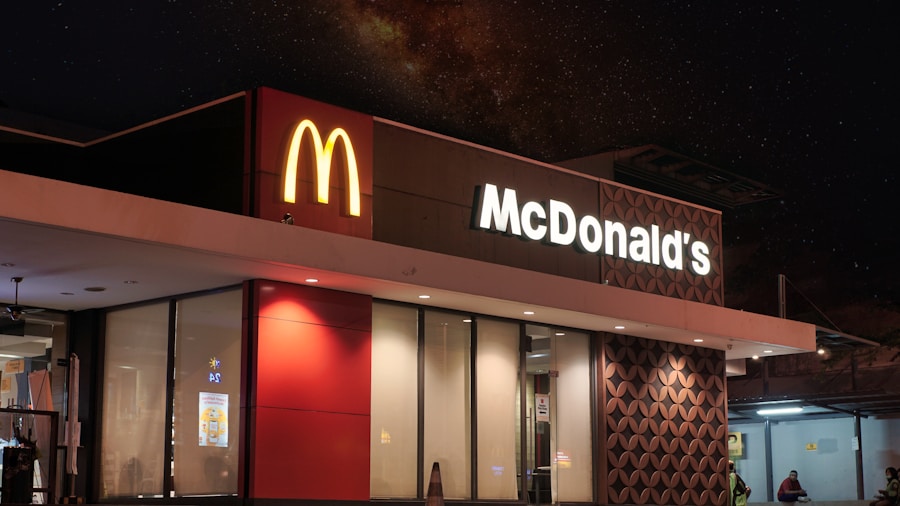
The golden arches of McDonald’s loom large over the consumer landscape, a ubiquitous symbol of fast food that has woven itself into the fabric of daily life for billions. This comprehensive review delves into the multifaceted world of McDonald’s, from its humble origins to its current global dominance, examining its menu, dining experience, nutritional impact, sustainability initiatives, and profound cultural influence.
The story of McDonald’s is a classic American tale of innovation, ambition, and the relentless pursuit of efficiency. It began in San Bernardino, California, in 1940, with brothers Richard and Maurice McDonald opening a barbecue restaurant. Their innovative “Speedee Service System” in 1948, focusing on a limited menu of hamburgers, fries, and shakes, revolutionized the restaurant industry by emphasizing speed and low prices. This revolutionary approach laid the groundwork for what would become the modern fast-food model.
The Visionary Entrepreneur: Ray Kroc’s Influence
Ray Kroc, a milkshake machine salesman, encountered the McDonald brothers’ establishment in 1954 and immediately recognized its immense potential. He became their franchising agent and, driven by an unwavering vision, opened his first McDonald’s in Des Plaines, Illinois, in 1955. Kroc’s strategic brilliance involved standardizing operations, ensuring consistent quality across all locations, and aggressively expanding the franchise network. His relentless pursuit of perfection and shrewd business acumen transformed a regional success into a national phenomenon, ultimately leading to his acquisition of the brothers’ share of the company in 1961. This pivotal moment cemented McDonald’s trajectory towards global domination.
Global Expansion and Market Penetration
Following Kroc’s leadership, McDonald’s embarked on an unparalleled global expansion. The company’s unwavering commitment to consistency, coupled with its ability to adapt to local tastes and preferences, allowed it to penetrate diverse markets across continents. From the bustling streets of Tokyo to the ancient cities of Rome, McDonald’s became an instantly recognizable brand, catering to a burgeoning demand for quick, affordable meals. This widespread adoption demonstrated the universal appeal of its core offerings and its effective marketing strategies that transcended linguistic and cultural barriers.
McDonald’s Menu and Signature Items
At the heart of McDonald’s enduring appeal lies its iconic menu, a carefully curated selection of items that have become synonymous with fast food itself. The Big Mac, the Quarter Pounder, and the classic McDonald’s fries are instantly recognizable and deeply ingrained in popular culture.
The Enduring Appeal of Signature Classics
The Big Mac, introduced in 1967, remains a culinary marvel of its kind, with its distinctive “two all-beef patties, special sauce, lettuce, cheese, pickles, onions on a sesame seed bun” mantra. The Quarter Pounder, offering a larger patty and more substantial bite, also holds a cherished place on the menu. However, perhaps no item is as universally beloved as McDonald’s French fries. Their distinct texture, salty crunch, and incomparable flavor profile have made them an industry benchmark, often cited as a key reason for customer loyalty. These signature items form the cornerstone of the McDonald’s experience, providing a comforting familiarity to diners worldwide.
Innovation and Adaptation: Special Promotions and Localized Menus
While the classics endure, McDonald’s is no stranger to innovation, constantly introducing new items and limited-time offers to keep its menu fresh and enticing. From seasonal McCafé beverages to gourmet burger iterations, these special promotions aim to capture new customer segments and generate excitement. Furthermore, the company demonstrates remarkable adaptability by localizing its menu to cater to regional tastes. In India, the McAloo Tikki Burger, a potato and pea patty, is immensely popular, while in parts of Asia, rice-based dishes and unique chicken preparations are commonplace. This thoughtful localization strategy underscores McDonald’s understanding of global culinary diversity and its commitment to satisfying a broad spectrum of palates.
The McDonald’s dining experience is more than just the food; it encompasses the atmosphere, the efficiency of service, and the general upkeep of the restaurants. These factors collectively contribute to a customer’s perception and overall satisfaction.
The Evolving Ambiance and Interior Design
Over the years, McDonald’s has consciously evolved its restaurant designs, moving away from the more overtly playful and brightly colored aesthetics of the past. Many modern McDonald’s locations feature a more sophisticated, contemporary design, incorporating natural light, comfortable seating, and often digital ordering kiosks. This shift aims to create a more inviting and relaxed atmosphere, catering to a broader demographic than just families with young children. The evolution of the decor reflects a desire to move beyond the purely functional and offer a more pleasant dining environment.
The Imperative of Speed and Efficiency
The cornerstone of the McDonald’s service model is speed and efficiency. The “Speedee Service System” that characterized its early days continues to be a guiding principle, ensuring that customers receive their orders quickly, even during peak hours. Digital ordering, drive-thru lanes, and streamlined kitchen operations all contribute to this focus on rapid service. While this emphasis on speed can sometimes lead to a perception of impersonal interaction, the primary goal is to minimize wait times and maximize customer throughput.
Maintaining Standards of Cleanliness
Cleanliness is a critical aspect of any restaurant operation, and McDonald’s, with its high volume of customers, faces a continuous challenge in maintaining impeccable standards. While individual store cleanliness can vary, the company has established strict protocols and training programs for its franchisees and employees to ensure a consistent level of hygiene. Regular cleaning schedules for dining areas, restrooms, and kitchen facilities are paramount to providing a safe and pleasant experience for diners. The perception of cleanliness directly impacts customer trust and satisfaction, making it a constant area of focus for the brand.
In an increasingly health-conscious world, the nutritional profile of fast food, particularly McDonald’s offerings, is a subject of ongoing scrutiny. While traditionally associated with indulgent and less healthy options, McDonald’s has made some efforts to introduce healthier alternatives.
The Caloric and Macronutrient Landscape
Many of McDonald’s classic items, while delicious, are high in calories, saturated fat, and sodium. A Big Mac, for instance, contributes a significant portion of daily recommended intake for these nutrients. While individual items might not be inherently “bad,” frequent consumption without balancing other dietary choices can contribute to health concerns. Understanding the caloric and macronutrient content of popular items is crucial for consumers making informed dietary decisions. The availability of nutritional information on packaging, in-store, and online reflects an acknowledgment of this growing consumer demand for transparency.
The Introduction of Healthier Alternatives
Responding to public demand and evolving dietary trends, McDonald’s has introduced various healthier alternatives to its menu. These include salads, fruit bags, and grilled chicken options. The company has also made strides in reducing the sugar content in some beverages and offering smaller portion sizes. While these efforts represent a step in the right direction, they often exist alongside the enduring popularity of higher-calorie items. The challenge for McDonald’s is to continue innovating in this space while still satisfying the demand for its traditional, indulgent offerings.
McDonald’s Sustainability Initiatives
As a global corporate giant, McDonald’s faces considerable pressure to address its environmental impact. The company has publicly committed to various sustainability initiatives, aiming to reduce its carbon footprint and promote more responsible practices throughout its supply chain.
Responsible Sourcing and Supply Chain Management
McDonald’s has focused on responsible sourcing of key ingredients, particularly beef, poultry, and coffee. The company has set targets for sustainable beef production, working with suppliers to promote environmentally sound farming practices. Similarly, efforts are underway to ensure that its coffee is sourced from certified sustainable farms, and that its packaging is derived from recycled or renewable materials. These initiatives demonstrate a commitment to ethical and environmentally conscious procurement, recognizing the vast scale of their supply chain and its potential impact.
Waste Reduction and Recycling Initiatives
Waste reduction is another significant area of focus for McDonald’s. The company has implemented various programs to reduce food waste, increase recycling rates, and explore more sustainable packaging solutions. This includes efforts to encourage customers to recycle in-store, as well as investigating innovative biodegradable or compostable packaging materials. The sheer volume of waste generated by its operations necessitates a comprehensive and sustained effort to minimize its environmental footprint, moving towards a more circular economy model for its packaging and disposables.
McDonald’s Cultural and Economic Influence
Beyond its role as a purveyor of fast food, McDonald’s has exerted a profound and undeniable influence on global culture and society, shaping consumption patterns, urban landscapes, and even linguistic idioms.
Symbol of Globalization and Americanization
For many, McDonald’s is an unparalleled symbol of globalization, representing the spread of American culture and consumerism across the world. Its presence in virtually every major city has contributed to a sense of cultural homogenization, leading to both admiration and critique. The term “McDonaldization” has even been coined to describe the process by which societal sectors adopt the characteristics of a fast-food restaurant: efficiency, calculability, predictability, and control. This impact underscores its role as more than just a restaurant but a powerful cultural force.
Economic Impact and Employment Opportunities
McDonald’s is a significant economic engine, providing employment opportunities to millions across the globe. From restaurant crews to corporate executives, the company offers a vast array of jobs, often serving as a first job for many young people. Its extensive franchise model also empowers local entrepreneurs, contributing to local economies. The sheer scale of its operations makes it a major contributor to global employment and economic activity, highlighting its critical role in various national workforces.
McDonald’s stands as an undisputed titan of the fast food industry, a testament to its innovative origins, strategic expansion, and unwavering ability to adapt. While it has faced its share of criticism regarding health, environmental impact, and cultural influence, the company has consistently demonstrated resilience and a willingness to evolve.
Its enduring popularity stems from a combination of factors: consistent, affordable, and often comforting food; a ubiquitous presence; and a brand identity that evokes a sense of familiarity for billions. McDonald’s has mastered the art of convenience, offering a quick and predictable meal solution for people on the go.
Despite increased competition and evolving consumer preferences, McDonald’s continues to innovate, from menu diversification and technological advancements in ordering to a growing emphasis on sustainability. Its challenge lies in balancing the maintenance of its iconic brand and core offerings with the ongoing need to address contemporary health concerns and environmental responsibilities. As a result, McDonald’s remains a formidable force, deeply ingrained in the global culinary landscape, poised to continue shaping the fast food industry for decades to come.
Leave a Reply