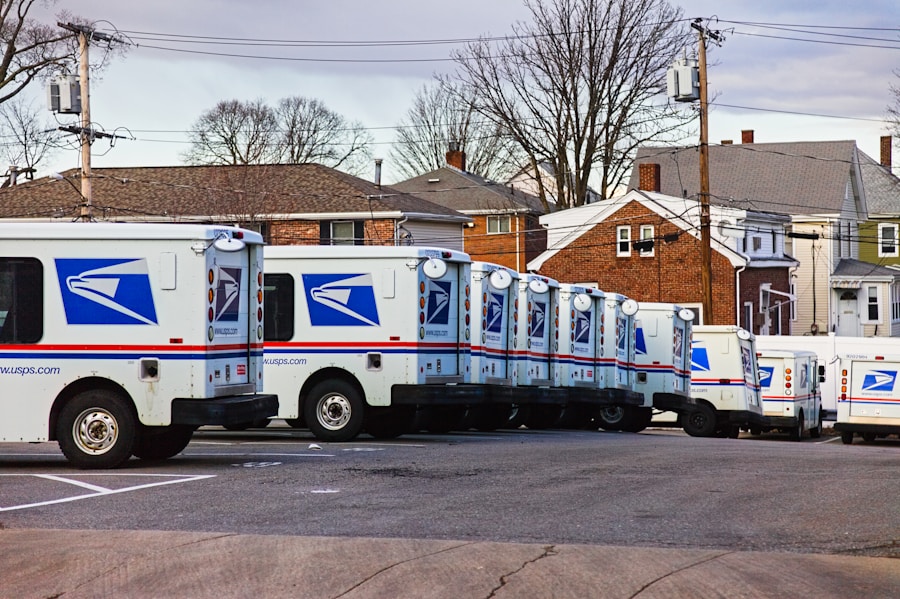
I’ve always been a bit of a romantic when it comes to mail. Not the bills, mind you, but the letters, the packages that arrive with a whisper of anticipation, the way a stamp carries a story across miles. It’s easy to take the USPS for granted, a silent, ubiquitous presence in our lives. But as I’ve delved deeper, a profound truth has emerged: the United States Postal Service isn’t just a delivery system; it’s been a foundational pillar of America itself, weaving itself inextricably into the fabric of our history, culture, and very identity.
The Arteries of a Growing Nation: Shaping American Communication
Before the internet, before the telephone, before even widespread telegraph lines, the mail was the primary, often the only, reliable conduit for communication between Americans. Imagine early settlers in scattered homesteads, separated by vast tracts of wilderness. The arrival of a letter was an event, a lifeline to family, friends, and the wider world. The USPS, in its nascent stages, was literally the nervous system of a nascent nation.
From Post Riders to the Pony Express: The Dawn of a Communication Network
When Benjamin Franklin took on the role of Postmaster General in the mid-18th century, he wasn’t just managing mail; he was pioneering a national infrastructure. The early days were about bravery and endurance. Post riders, battling weather and terrain, became the first emissaries of news and connection. The famous, though short-lived, Pony Express, while often romanticized, was a testament to the desperate need for faster communication across the continent, a need that the burgeoning postal service struggled to meet with increasing urgency. It highlighted the inherent desire for connection that the USPS would ultimately fulfill. The sheer act of establishing regular routes, of creating a system where letters could be entrusted to a third party and reliably dispatched, was revolutionary. It allowed businesses to negotiate, families to stay in touch, and nascent political discourse to flow.
The Letter as a Social and Political Force
The humble letter, facilitated by the USPS, became a powerful tool for social and political change. Think of the abolitionist movement, spreading its message through printed pamphlets and personal correspondence delivered by mail. Imagine ordinary citizens, empowered by the ability to voice their opinions and share their experiences, shaping public discourse one letter at a time. The USPS provided the essential infrastructure for this democratic exchange, ensuring that ideas, however radical or revolutionary, could find their audience. It was the vehicle for the very conversations that defined America’s evolving conscience. Without it, the spread of knowledge and the formation of unified national sentiment would have been vastly hindered.
Bridging the Uncharted: The USPS and the Expansion of the American Frontier
The westward expansion of the United States is a monumental chapter in our history, a saga of courage, ambition, and immense hardship. And at every step of that journey, the USPS was there, an often unsung hero. It wasn’t just about delivering letters to already established towns; it was about planting the seeds of civilization in the wilderness.
Mail in the Wilderness: A Symbol of Belonging
Establishing post offices in frontier settlements was far more than a logistical necessity. It was a profound statement of inclusion, a declaration that these remote outposts were part of the greater American story. The arrival of a mailbag was a tangible link to the world beyond the immediate horizon, offering a sense of belonging and legitimacy to those who had ventured into the unknown. For isolated families, the mail was a precious commodity, a connection to loved ones and a link to the comforts and familiarity of home. The very act of setting up a post office signaled governmental recognition and a commitment to civilizing the frontier.
Fueling Settlement and Commerce
The presence of a postal route and an office incentivized settlement. Pioneers knew that by establishing themselves along a mail path, they would have access to vital information, supplies ordered by mail, and a connection to markets. This facilitated trade, allowed for legal and financial transactions to occur across distances, and generally fostered the economic viability of frontier communities. The USPS effectively acted as a catalyst for development, making the arduous prospect of settling new lands more manageable and attractive. It was a silent partner in nation-building, helping to knit together a sprawling continent.
The Engine of Commerce: USPS and the Development of the American Economy
It’s easy to overlook the economic powerhouse that the USPS has been. For centuries, it has been the backbone of commerce, facilitating transactions, connecting businesses, and enabling the free flow of goods and information that is essential for a thriving economy. USPS
The Power of Reliable Delivery: From Commerce to Consumers
Long before FedEx or UPS, the USPS was the primary delivery service for businesses of all sizes.
From retailers sending invoices and product catalogs to manufacturers receiving orders and shipping finished goods, the postal service was an indispensable partner. The development of a reliable and affordable mail system allowed for the growth of a national marketplace. Consumers could order goods from afar, and businesses could reach customers beyond their immediate geographical vicinity.
This fostered competition, innovation, and ultimately, economic growth. The consistency of mail delivery allowed for greater predictability in business operations, a crucial element for any flourishing economy.
Innovation in Logistics: From Horses to Planes
The USPS has consistently been at the forefront of logistical innovation. As the nation grew and the demand for faster delivery increased, the postal service adapted.
The introduction of mail by rail revolutionized speed and capacity. The subsequent adoption of air mail, a truly monumental leap, dramatically shrunk distances and connected the country in ways previously unimaginable. The USPS was an early adopter and a major driver of these technological advancements in transportation, not just for its own operations but for the broader economy that benefited from these improved logistics.
It was a constant push for efficiency and reach.
How USPS Influenced American Politics and Democracy
The USPS has played a far more significant role in American politics than many realize, acting as both a facilitator of political discourse and a direct object of political debate. Its very existence and operation have been shaped by political decisions, and in turn, it has influenced the political landscape.
The Reach of Government: Connecting Citizens and Representation
The USPS is, in essence, the outstretched hand of the federal government reaching into every corner of the nation. The establishment of post offices in even the most remote areas signifies the government’s presence and commitment to its citizens. It ensures that every American, regardless of their location, has access to official correspondence, ballots, and information. This universal reach is fundamental to democratic governance, providing a pathway for citizens to participate in the political process and for the government to communicate with its populace. It’s a tangible embodiment of a unified nation.
Debates over Expansion and Service: A Political Football
The USPS has often been a battleground for political ideologies. Debates over its privatization, its funding, its service levels, and its role in the digital age are ongoing and deeply intertwined with broader political discussions about the size and scope of government. Decisions about postal rates, the closing of rural post offices, or the expansion of services are all politically charged. The USPS’s very existence as a public service, rather than a purely private enterprise, is a testament to a particular vision of America, one that values universal access and civic infrastructure.
A Tapestry of Stories: USPS and its Impact on American Society and Community

Beyond its economic and political implications, the USPS has profoundly impacted the social fabric of America, fostering connections, supporting communities, and even nourishing the arts.
The Local Post Office: A Community Hub
For generations, the local post office was more than just a place to mail a letter. It was a community hub, a meeting place where neighbors could catch up, exchange news, and feel connected. Postmasters and postal workers were often well-known and trusted figures, integral to the social life of their towns. The presence of a post office signified stability and permanence, a point of reference in the community. Even today, in smaller towns, the post office often retains this vital social role, a testament to its enduring importance.
The Mail as a Lifeline: From Soldiers to Families
Think of the soldiers serving overseas, their letters home a precious link to their families and the nation they defended. The USPS’s ability to deliver mail to these servicemen and women was, and remains, crucial for morale and connection. Similarly, for families separated by distance, be it for work, education, or other reasons, the mail serves as a vital lifeline, maintaining bonds and fostering emotional well-being. The USPS has been, and continues to be, a silent supporter of families and a bridge across divides.
The USPS in Arts and Literature: A Muse for the Nation
The ubiquity of the postal service has naturally found its way into American arts and literature. It’s a recurring motif, symbolizing connection, longing, communication, and even the passage of time. From the iconic image of the mail carrier walking down the street to the dramatic tension of a delayed letter, these themes have been explored by countless writers and artists. The USPS has provided a shared cultural touchstone, a familiar element that resonates deeply within the American consciousness. The very act of sending and receiving mail, with its inherent narrative possibilities, has inspired a wealth of creative expression, solidifying its place not just in history, but in the heart of American storytelling. It’s a quiet but persistent presence, a testament to its deep integration into our collective experience.
FAQs
1. What role did USPS play in shaping American communication?
The USPS played a crucial role in shaping American communication by providing a reliable and affordable means of sending and receiving letters, packages, and eventually, electronic communications. The establishment of a nationwide postal system facilitated the exchange of ideas, information, and news, contributing to the development of a more connected and informed society.
2. How did USPS contribute to the expansion of the American frontier?
The USPS played a significant role in the expansion of the American frontier by establishing post offices and mail routes in newly settled areas. This facilitated communication and commerce, enabling settlers to stay connected with the rest of the country and encouraging further westward expansion.
3. In what ways did USPS influence the development of the American economy?
The USPS influenced the development of the American economy by providing a reliable and efficient means of transporting goods and facilitating commercial transactions. The postal service also played a role in the development of advertising and direct mail marketing, contributing to the growth of businesses and industries across the country.
4. How did USPS impact American politics?
The USPS has had a significant impact on American politics by enabling the dissemination of political information, campaign materials, and election ballots. The postal service has also played a role in facilitating political organizing and activism, contributing to the democratic process in the United States.
5. What contribution did USPS make to American arts and literature?
The USPS has made significant contributions to American arts and literature through the issuance of commemorative stamps, which have honored notable figures, events, and cultural achievements. The postal service has also facilitated the exchange of literary works and artistic creations, allowing for the dissemination of creative expression across the country.
Leave a Reply