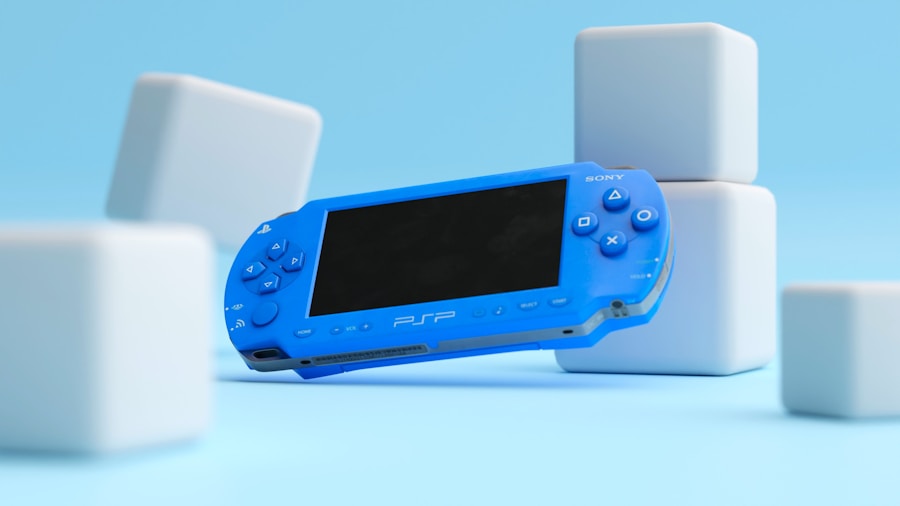
The PSP. Even the name rolls off the tongue with a certain retrofuturistic charm, doesn’t it? For me, it’s more than just a piece of plastic and circuits; it’s a time capsule, a gateway to countless hours of escapism, and frankly, a testament to the sheer ingenuity of portable entertainment. When I first held that sleek, silver device, it felt like holding the future of gaming in my hands. The vibrant screen, the satisfying heft, the promise of console-quality experiences on the go – it was all incredibly intoxicating. Looking back now, with the landscape of mobile gaming so vastly different, it’s easy to forget just how revolutionary the PSP was. It wasn’t just another handheld; it was a multimedia powerhouse that redefined what a portable gaming device could be.
Understanding the PSP: A Brief History and Overview
My journey with the PSP began shortly after its release in 2004 in Japan and 2005 in North America. Sony, already a titan in the living room with their PlayStation consoles, decided to enter the handheld arena, directly challenging Nintendo’s long-held dominance. The PSP, or PlayStation Portable, was their ambitious answer. It wasn’t a modest upgrade; it was a statement. Boasting a larger widescreen display than its contemporaries, a more powerful processor capable of rendering impressive 3D graphics, and the unique introduction of the Universal Media Disc (UMD) as its game medium, the PSP was designed to compete head-on with home consoles in terms of fidelity and features.
The UMD, a small optical disc housed in a plastic casing, was initially met with mixed reactions. While it allowed for larger game sizes and better visual quality, its moving parts and the need to insert them into the console did present some practical challenges compared to cartridges. However, it also enabled the PSP to branch out into other forms of media. I remember loading up movies and music videos on my PSP, marveling at the ability to carry my entertainment library with me wherever I went. It was a true portable multimedia device, a concept that feels so commonplace now but was quite groundbreaking in its day. The PSP was more than just a gaming machine; it was a lifestyle accessory for the digitally inclined.
The Hardware Innovations
Sony didn’t skimp on the hardware, and that’s what truly set the PSP apart for me. The 4.3-inch widescreen LCD display was a revelation. Before the PSP, handheld gaming often meant squinting at smaller, lower-resolution screens. The PSP’s display was bright, sharp, and offered a wide aspect ratio that made games look incredibly immersive. It felt like playing on a miniature TV, which was a massive leap forward. The dual analog sticks, while a bit stiff initially, offered a level of control that was previously only possible on home consoles, especially for 3D titles.
The connectivity was also a big deal. Wi-Fi was built-in, which was a forward-thinking move, paving the way for the online multiplayer experiences that would become a staple of gaming. While the infrastructure was still in its infancy, the potential was undeniably there. The ability to connect wirelessly to other PSPs for ad-hoc multiplayer was a fantastic feature that led to many impromptu gaming sessions with friends. The memory stick duo card slot meant expandable storage, allowing me to hoard save files, music, and even digital downloads.
The Evolution of the PSP Lineup
As with any successful console, the PSP saw its iterations. The PSP-1000, the original model, was a hefty but potent machine. Then came the PSP-2000, often referred to as the “Slim & Lite,” which was significantly thinner and lighter, making it much more comfortable for extended play sessions. This model also introduced the ability to output to a TV, further blurring the lines between handheld and home console. My personal preference leaned towards the Slim & Lite for its improved ergonomics.
The PSP-3000 followed, boasting an even brighter and more vibrant screen with reduced ghosting, which was a noticeable improvement for fast-paced games. Then came the PSP Go, a radical departure that shed the UMD drive in favor of a fully digital experience and a slider design. While I admire the innovation, I admit I never quite warmed to the PSP Go. The removal of the UMD drive meant I couldn’t easily transfer my existing UMD library, and the smaller screen felt like a step backward in some ways. Nevertheless, each iteration contributed to the PSP’s legacy and offered something new to gamers.
Choosing the Right Games for Your PSP: A Gamer’s Guide
The true soul of any gaming console lies in its games, and the PSP’s library is nothing short of spectacular. When I look back, I’m struck by the sheer diversity of titles available. Sony brought its flagship PlayStation franchises to the handheld, offering portable versions of beloved series that I could now play on the bus or during my lunch breaks.
The Pillars of the PSP Library
Naturally, the Grand Theft Auto series was a massive draw. Titles like Grand Theft Auto: Liberty City Stories and Grand Theft Auto: Vice City Stories were full-fledged GTA experiences, crammed onto UMDs and delivering open-world mayhem on the go. Playing these epic games while commuting felt like a clandestine operation, a secret indulgence in digital freedom. Then there were the Metal Gear Solid games. Metal Gear Solid: Peace Walker is a particular standout for me, a robust and story-driven experience that rivaled its console counterparts in depth and engaging gameplay.
Sony’s own studios also delivered gems. The God of War collection on PSP, featuring Chains of Olympus and Ghost of Sparta, were stunningly graphical and remarkably faithful to the console experience. Seeing Kratos unleash his fury on a smaller screen was still incredibly satisfying. Final Fantasy also made its mark with titles like Final Fantasy VII: Crisis Core, a prequel that added so much to the lore of the original FFVII and was a personal favorite of mine for its emotional storytelling.
Exploring the Diverse Genres
Beyond the big names, the PSP offered a treasure trove of games across all genres. For RPG enthusiasts like myself, the JRPG landscape was rich and varied. Persona 3 Portable was adapted brilliantly, offering different playable characters and a more streamlined gameplay experience that felt perfectly suited to portable play. The Ys series, with its fast-paced action RPG combat, also found a comfortable home on the PSP.
Racing games were a popular choice, with Gran Turismo providing a realistic simulation experience and Ridge Racer offering arcade-style thrills. Sports fans had their pick of the litter too, with FIFA and NBA Live (among others) offering their yearly installments. And for those who enjoyed a good puzzle game or a bite-sized arcade experience, there were countless indie gems and ports that filled those niches perfectly. The PSP’s ability to run games of such varying complexity and style was a testament to its versatility.
Maximizing Your Gaming Experience on the PSP: Tips and Tricks
Owning a PSP was one thing, but truly unlocking its potential required a bit of know-how. Over the years, I’ve picked up a few tricks that I believe significantly enhanced my gaming sessions. It’s about more than just popping in a UMD and hitting start; it’s about understanding the nuances of the device.
Optimizing Performance and Battery Life
One of the most crucial aspects of portable gaming is battery life. The stock battery, while decent, could always be a limiting factor on longer journeys. I found that investing in an extended battery pack was a game-changer, significantly increasing my playtime without needing to hunt for a power outlet. Another tip for maximizing battery life involved tweaking the screen brightness. While a bright screen is great for immersion, dialing it back slightly when not in direct sunlight could noticeably extend playtime.
Performance was another consideration, especially with more demanding titles. While the PSP was powerful for its time, some games could push its limits. Ensuring that background applications or unnecessary wireless connections were turned off could sometimes free up processing power. I also found that keeping the firmware updated, while not always offering dramatic performance boosts, could introduce bug fixes and optimizations that contributed to a smoother overall experience.
Leveraging PSP Features for Enhanced Gameplay
The PSP had a few hidden gems in its feature set that I learned to exploit. The ability to map buttons differently in some games was invaluable for tailoring the controls to my preference, especially in titles that felt a bit awkward with the default layout. The screen capture function, while simple, was great for sharing funny or impressive in-game moments with friends.
Furthermore, the PSP’s multimedia capabilities could be integrated into the gaming experience. Running a custom soundtrack behind a particularly epic boss battle, or having a guide or walkthrough open on the screen if the game allowed for it through some clever menu wizardry, could really enhance immersion. It was about making the PSP your own personal entertainment hub, not just a gaming device.
Exploring Multiplayer and Online Gaming on the PSP
The PSP was a console that truly embraced the idea of connecting with others, both locally and, surprisingly for its time, online. While it might seem quaint compared to today’s always-connected world, the PSP’s multiplayer offerings were groundbreaking and incredibly fun. I have fond memories of countless hours spent with friends, united by the shared experience of digital competition and cooperation.
The Thrill of Ad-Hoc Multiplayer
The simplest and often most immediate form of multiplayer was ad-hoc. This allowed two or more PSPs to connect directly to each other wirelessly, creating a local network for gaming. I remember gathering with friends at coffee shops or on long bus rides, each with our PSPs, ready for a quick match of Ridge Racer or a cooperative mission in Metal Gear Solid: Peace Walker. The ease of setting up an ad-hoc session meant that spontaneous gaming sessions were the norm, fostering a real sense of community.
Monster Hunter Freedom Unite was a prime example of how ad-hoc multiplayer could shine. Forming hunting parties with friends, strategizing against colossal monsters, and sharing in the triumphs (and sometimes hilarious failures) was an incredibly rewarding experience. The cooperative gameplay was so well-realized that it felt like we were in the same room, sharing a common goal.
Venturing into the World of Online Play
While ad-hoc was fantastic, the PSP’s Wi-Fi capabilities opened up the potential for true online gaming. Sony’s infrastructure for this was called the PlayStation Network (or PSN Lite, as some affectionately called it). Connecting your PSP to a Wi-Fi hotspot allowed you to join online lobbies and compete against players from around the world. It was a gateway into a global gaming community.
Playing SOCOM: U.S. Navy SEALs Fireteam Bravo online was a significant experience for me. The tactical gameplay and the coordination required with teammates across different locations felt like a genuine step into the future of gaming. While the connection speeds and stability weren’t always perfect by today’s standards, the thrill of outmaneuvering opponents from distant lands was undeniable. The PSP demonstrated that portable gaming could be a social and connected experience, a vision that would undoubtedly shape the future of mobile gaming.
Customizing Your PSP: Personalization and Accessories

Beyond the games and the core functionality, one of the aspects I truly appreciated about the PSP was the ability to truly make it my own. It wasn’t just a piece of hardware; it was a canvas for personalization, adorned with a range of accessories that could enhance both its aesthetics and its practicality.
The Aesthetic Touch: Skins, Cases, and Grips
The visual aspect of the PSP was ripe for customization. I remember browsing online stores and local electronics shops, a plethora of skins and cases designed to transform the look of my device. Whether it was a sleek metallic finish, a vibrant graphic design, or a subtle matte texture, there was something to suit every taste. These skins not only added a personal touch but also offered a layer of protection against scratches and scuffs that inevitably come with regular use.
Ergonomics were also a key consideration for long gaming sessions. Grips and attachments that fit over the PSP could provide a more comfortable and secure hold, especially for games that required extended use of the analog sticks or buttons. Some of these even incorporated additional battery power, further extending gameplay time. It was a practical form of customization that directly impacted my enjoyment of the device.
Essential Accessories for the Savvy Gamer
Beyond aesthetics, there were a number of essential accessories that I found indispensable. A good quality screen protector was an absolute must to keep that beautiful display free from scratches. Carrying cases, ranging from minimalist pouches to robust hard shells, were crucial for protecting the PSP when on the go. I also invested in a few extra memory stick duo cards, as the internal memory was quite limited, and I wanted to avoid the inconvenience of constantly swapping games or data.
For those who enjoyed the UMD drive immensely, larger capacity cases designed to hold multiple UMDs were a lifesaver for organizing my collection and easily swapping between games without fumbling. The PSP’s ability to act as a multimedia player also meant that accessories like headphones and charging docks were highly sought after, further integrating it into my daily life as a versatile entertainment device.
Embracing Retro Gaming on the PSP: Classic Titles and Emulation
One of the most enduring appeals of the PSP, for me, has always been its ability to serve as a gateway to gaming history. Not only did it have its own impressive library, but it also offered a fantastic platform for revisiting the classics that paved the way for its own existence.
Sony’s Official Retro Releases
Sony themselves recognized the value of their gaming legacy. They released numerous classic PlayStation titles directly onto the PSP’s digital store, the PlayStation Store. I eagerly downloaded Final Fantasy VII, Metal Gear Solid, Castlevania: Symphony of the Night, and so many other iconic games that I had previously enjoyed on the original PlayStation. Being able to play these masterpieces on the go, with the PSP’s comfortable controls and excellent screen, was a dream come true. It was a way to experience not just the games, but the pivotal moments in gaming history that shaped the industry.
The portability of these classic titles was a key draw. Suddenly, the legendary adventures that once required a dedicated console setup could be enjoyed during my commute or while relaxing in a park. It was a way to connect with my gaming past while embracing the present.
The Power of Emulation
Beyond the official releases, the PSP also became a celebrated platform for emulation. With its relatively powerful internals and the flexibility of custom firmware, the PSP could be transformed into a retro gaming machine capable of playing games from a vast array of older consoles. I dabbled in emulating games from the NES, Super Nintendo, Sega Genesis, Game Boy Advance, and even some of the earlier arcade classics.
The process of setting up emulators and transferring ROMs (game files) was a bit more involved than simply purchasing a digital download, but the reward was immense. Suddenly, my PSP wasn’t just a PSP; it was a pocket-sized arcade, a portable console from multiple eras. Playing Super Mario World or Sonic the Hedgehog on a device that was itself a product of a later generation felt like a beautiful paradox, a testament to the enduring power of well-crafted games. This ability to preserve and play these classic titles solidified the PSP’s place in my heart as a truly special console.
The Future of Portable Gaming: What’s Next for the PSP and Mobile Gaming
Looking back at the PSP, it’s impossible not to reflect on what came next and what the future holds. The PSP, in its own way, was a bridge between the dedicated portable gaming devices of the past and the incredibly powerful smartphones that dominate our pockets today. While Sony no longer produces new PSP hardware, its spirit lives on.
The rise of smartphones with powerful processors and gorgeous displays has undoubtedly shifted the landscape of mobile gaming. We now have access to a vast library of games, from simple casual titles to graphically intensive AAA experiences, all playable on devices we carry with us everywhere. The lines between dedicated gaming handhelds and general-purpose mobile devices have blurred considerably.
The legacy of the PSP can be seen in the very nature of modern mobile gaming. Its ambition to bring console-quality graphics and experiences to a portable format, its embrace of Wi-Fi connectivity for online play, and its exploration of multimedia capabilities all laid the groundwork for the devices and experiences we enjoy today. While the dedicated handheld market has shrunk, the desire for portable gaming has never been stronger, and that desire is now largely fulfilled by the smartphones in our collective hands. The PSP was a vital chapter in that ongoing story, a testament to the insatiable human desire to explore new worlds and challenge ourselves, no matter where we are.
Leave a Reply