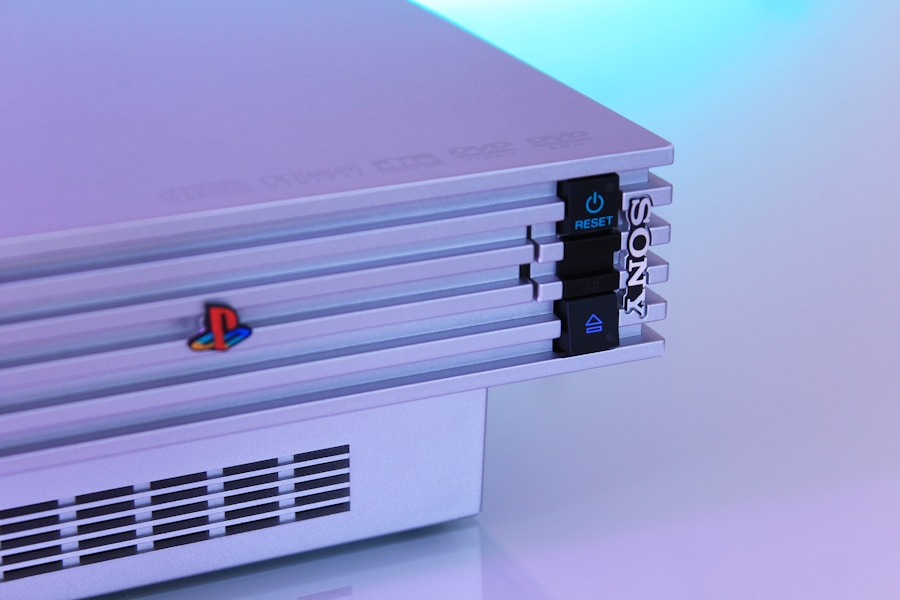
It was 2000. I was a kid, maybe ten years old, and the air around me crackled with an anticipation I hadn’t known before. My dad, a man of quiet surprises, had made an announcement, almost offhandedly, that we’d be getting a PlayStation 2. The PlayStation 1 had already been a revelation, a gateway to digital worlds I barely understood but devoured nonetheless. But the whispers about the PS2? They were different, laced with a promise of something monumental. I remember the sleek black box, the distinctive “PS2” logo, and the hum as it powered on, a low, confident thrum that suggested pure potential. That day, my personal gaming landscape, and indeed, the entire industry, was irrevocably altered.
The Rise of a Legend: How Sony’s Console Revolutionized Gaming
Before the PS2, consoles were… consoles. They were impressive, certainly, but they often felt like isolated islands of entertainment. The PS2, however, arrived like a tidal wave, sweeping away preconceptions and redefining what a home gaming system could be. Sony, fresh off the runaway success of the original PlayStation, wasn’t content to rest on its laurels. They pushed boundaries, took calculated risks, and ultimately, created a phenomenon.
More Than Just a Game Console: The DVD Player Advantage
One of the most cunning and impactful decisions Sony made was the inclusion of a DVD player. In 2000, standalone DVD players were still a relatively new and expensive luxury. By bundling this cutting-edge technology into a gaming console, Sony made the PS2 an irresistible proposition for families. It wasn’t just a toy for kids; it was a home entertainment system, an all-in-one media hub that suddenly justified its price tag for parents. I recall countless evenings where the PS2 seamlessly transitioned from a frantic session of Smash Bros. (yes, I know, wrong console, but the spirit of the time was shared!) to a family movie night, my parents completely unaware of the digital wizardry powering their cinematic experience. This shrewd move wasn’t just about functionality; it was a Trojan horse, allowing the PS2 to infiltrate households in a way no console before it had.
A Library of Dreams: Games for Every Gamer
Beyond the hardware, it was the sheer breadth and depth of the PS2’s game library that truly cemented its legendary status. From day one, the console was blessed with titles that immediately showcased its power and potential. It felt like every developer, big or small, wanted a piece of the PS2 pie.
The Power of the Emotion Engine: Unlocking New Possibilities
Sony’s “Emotion Engine” was more than just a marketing buzzword; it was the heart of the PS2’s technical prowess. While other consoles at the time focused solely on raw graphical power, Sony opted for a more sophisticated, programmable architecture. This allowed developers an unprecedented level of flexibility and control, fostering innovation in game design that would echo for years to come. I wasn’t aware of the technical specifics back then, but I certainly felt the difference. Games like Tekken Tag Tournament and Ridge Racer V showcased stunning visuals that felt light years ahead of anything I’d seen before, and they hinted at the incredible potential lying dormant within that sleek black box.
Iconic PS2 Games That Defined the Experience
My memories of the PS2 are inextricably linked to the games I poured countless hours into. These weren’t just games; they were experiences, stories, and challenges that shaped my formative years.
The Beginnings of Adventure: My First Steps in the Digital Wilds
One of my earliest and most cherished PS2 memories is diving headfirst into Grand Theft Auto III. The sheer freedom of Liberty City was intoxicating. Here was a world, sprawling and alive, that let me choose my own path, whether that was following the main narrative or simply causing mayhem. It was a game that felt truly adult, a forbidden fruit that I relished in secret. This wasn’t merely a technological leap; it was a conceptual one, pioneering the open-world genre in a way that profoundly influenced future developers.
Weaving Epic Tales: The Power of Narrative on PS2
Then came Final Fantasy X. I had dabbled in RPGs before, but nothing prepared me for the emotional depth and scale of Spira. Tidus and Yuna’s journey, the haunting melodies, the strategic turn-based combat – it was a masterpiece. That game, more than any other, cemented my love for narrative-driven experiences, proving that video games could be every bit as profound and impactful as literature or film. The beautiful cutscenes, rendered with an attention to detail that still impresses me today, truly showcased the graphical capabilities of the system.
Embracing the Absurd: Unforgettable Characters and Worlds
Later, I discovered Jak and Daxter: The Precursor Legacy. The vibrant, cell-shaded world, the witty dialogue, and the seamless blend of platforming and light combat were pure joy. It provided a much-needed counterpoint to the more serious titles, reminding me that games could also be brightly colored, lighthearted fun. And then there was Okami, a game that, even today, I consider a work of art. Its unique Sumi-e art style and innovative Celestial Brush mechanics were unlike anything I had ever seen, proving that creativity and artistic vision could truly flourish on the PS2. It pushed the boundaries of expectation, demonstrating the console’s versatility.
The Evolution of Gaming Technology: PS2 as a Catalyst
The PS2 wasn’t just a product of its time; it was a prophet. It hinted at, and in many ways, directly influenced, the technological advancements that would define subsequent console generations.
Graphical Advancements and Beyond: Pushing the Visual Envelope
While the original PlayStation introduced 3D graphics to the mainstream, the PS2 refined and democratized them. The detailed character models, expansive environments, and sophisticated lighting effects in games like Metal Gear Solid 2: Sons of Liberty and God of War were genuinely breathtaking. These titles showcased the PS2’s ability to render complex scenes with a level of fidelity previously unimaginable. It wasn’t just brute force; it was intelligent design, allowing for the visual storytelling that became a hallmark of the era.
The Dawn of Online Gaming (and its limitations): Paving the Way
While not nearly as robust as later generations, the PS2 did dip its toes into online gaming. Titles like EverQuest Online Adventures and SOCOM U.S. Navy SEALs offered a glimpse into the future, albeit one hampered by dial-up internet and often cumbersome setup. I remember the frustration of connection drops and the joy of finally linking up with friends across the digital ether. It was a messy, imperfect beginning, but it was a beginning nonetheless, laying the groundwork for the universally accepted online multiplayer experiences we enjoy today.
Storage Solutions: Embracing the Future of Digital Content
The PS2 utilized DVDs, offering significantly more storage space than the CDs of the previous generation. This increased capacity allowed for larger worlds, more detailed assets, and lengthier narratives. It was a necessary step, paving the way for the massive game installations and digital distribution we see on modern consoles. My memory cards, crammed with save files for dozens of games, were a testament to the sheer volume of content the console could handle.
The Enduring Legacy: PS2’s Influence on Modern Gaming
Even now, over two decades since its launch, the shadow of the PS2 looms large over the gaming industry. Its innovations, its successes, and even its limitations, have all contributed to the landscape of modern gaming.
The Blueprint for Success: Open-World Design and Narrative Depth
Many of the most popular genres and game design philosophies of today can trace their lineage directly back to the PS2 era. The open-world designs popularized by Grand Theft Auto III and Jak II established a blueprint that countless titles across generations have followed. The emphasis on cinematic storytelling, championed by games like Metal Gear Solid 2 and Final Fantasy X, set a new standard for narrative ambition in gaming. I see echoes of PS2 design principles in nearly every major release I play today, a testament to its foundational impact.
Franchise Powerhouses: Nurturing Iconic Series
Many of the biggest and most beloved franchises in gaming today had their humble, or not-so-humble, beginnings on the PS2. God of War, Ratchet & Clank, Kingdom Hearts, Devil May Cry – these were all born or truly came into their own on Sony’s black console. The PS2 provided the fertile ground for these series to develop their core mechanics, establish their lore, and build the fanbases that support them to this day. I remember the thrill of discovering these new worlds and characters, unaware that they would become integral parts of gaming history.
Accessibility and Mainstream Appeal: Broadening the Gaming Audience
Perhaps one of the most profound impacts of the PS2 was its role in bringing gaming to a wider, more mainstream audience. The DVD player, the diverse game library, and the sheer cultural omnipresence of the console made it a household name. It demystified gaming, moving it from a niche hobby to a globally recognized form of entertainment. I witnessed firsthand how my own family, initially hesitant about video games, slowly but surely embraced the PS2, drawn in by its versatility and the engaging experiences it offered.
The Future of Gaming: Echoes of the Emotion Engine

When I look at the incredible graphical fidelity of today’s consoles, the rich and interactive open worlds, and the seamless online experiences, I can’t help but see the PS2’s influence. It wasn’t just a step forward; it was a giant leap.
Inspiring Innovation: A Legacy of Creative Freedom
The PS2 fostered an environment where developers felt empowered to innovate. The unique architecture of the Emotion Engine, while challenging, ultimately spurred creative solutions and pushed the boundaries of what was thought possible within a console. This spirit of innovation, of striving to surprise and delight players with new experiences, is a legacy that continues to inspire game developers today. Even as the technology changes, the fundamental drive for creative expression, heavily influenced by the PS2 era, remains constant.
The Benchmark for Success: Setting the Bar High
The PS2’s unparalleled commercial success – over 155 million units sold – set a benchmark for future consoles that few have managed to meet. This commercial juggernaut proved that there was a massive, untapped market for sophisticated home entertainment systems, driving console manufacturers to constantly push for greater power, more compelling games, and broader appeal. It made gaming a serious business, and for me, it made my childhood hobby a cultural touchstone. The PS2 wasn’t just a console; it was a phenomenon, a vibrant chapter in my life and in the history of gaming that I revisit fondly, even now.
Leave a Reply