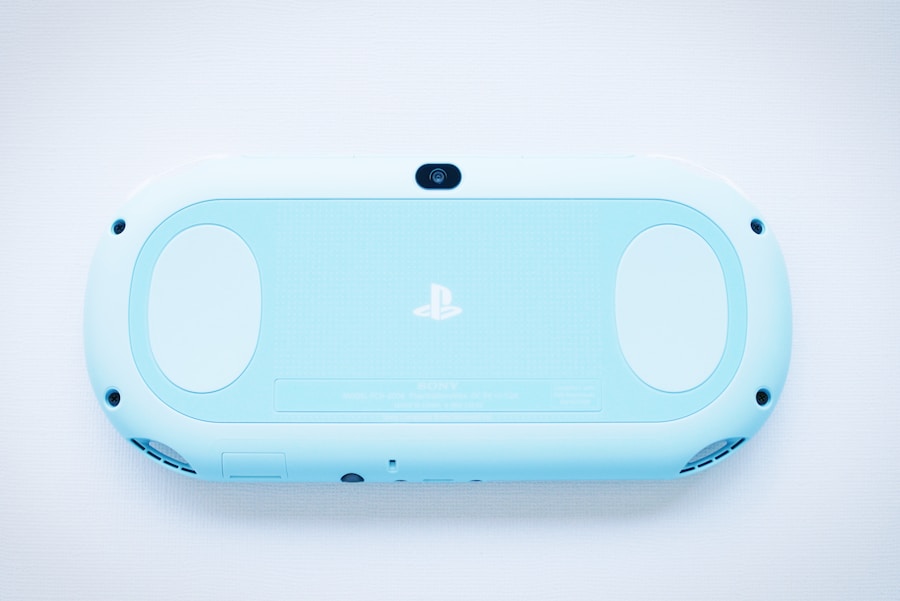
So, you’re wondering if the PlayStation Vita, that little handheld powerhouse, is still worth diving into for gaming on the move? The short answer is a definite yes, especially if you appreciate a strong library of games and a capable device for its time. While it might not be the newest kid on the block, the Vita offers a surprisingly robust and rewarding portable gaming experience that many still enjoy today. Let’s take a closer look at what makes it tick and how you can get the most out of it.
Introducing the PS Vita: Your Pocket-Sized Gaming Companion
The PlayStation Vita, often simply called the Vita, burst onto the scene aiming to redefine portable gaming. It wasn’t just about playing games; it was about bringing a console-like experience into your hands, wherever you happened to be. Think of it as a miniature, highly capable PlayStation that you could slip into your backpack or even a large pocket. It was designed with gamers in mind, packing in features that were quite cutting-edge for a handheld device when it first arrived.
A Leap Forward in Handheld Design
Sony really put some thought into the Vita’s design. It sports a beautiful OLED screen (on the original models, at least) that makes games pop with vibrant colors and deep blacks. This was a huge deal for visual fidelity on a handheld. Beyond the screen, it felt solid and comfortable in your hands, with well-placed buttons and dual analog sticks – a massive upgrade from the single nub found on some older portables, making 3D games much more playable.
More Than Just a Game System
The Vita was envisioned as a multimedia device too. While gaming was its main gig, it also had capabilities for watching videos, listening to music, and browsing the web. It connected wirelessly, allowing for online play and downloads, which was crucial for its ecosystem. Despite being discontinued by Sony, its capabilities still hold up for a dedicated portable gaming experience.
Unpacking the Vita’s Features and Capabilities
The Vita is more than just a pretty screen and comfortable controls; it’s packed with tech that allows for some seriously impressive portable gameplay. Understanding these features is key to appreciating what the Vita can do and how it can enhance your gaming sessions.
The Power Under the Hood
At its core, the Vita boasts a quad-core ARM Cortex-A9 MPCore processor and a quad-core SGX543MP4+ GPU. This hardware allowed it to run games with graphics that, at the time, rivaled some home consoles. This meant you could play titles with decent 3D environments, complex character models, and smooth animations, all on a handheld device. It wasn’t always pushing the absolute bleeding edge of graphical power, but it was certainly a significant step up for portable gaming.
A Touchscreen and a Touchpad: Double the Input
One of the Vita’s most distinguishing features is its dual input methods. It has a front-facing touchscreen, which many games incorporate for menus or specific actions. But the real innovation was the rear touchpad. This touch-sensitive panel on the back of the device opened up new ways to interact with games. Imagine using it to swipe through inventory, perform special attacks, or even control camera angles in a unique way. It took some getting used to for some developers and players, but it was a clever idea that could lead to some innovative gameplay mechanics.
Cameras: More Than Just a Selfie Tool
The Vita actually came with two cameras, one on the front and one on the back. While they weren’t going to replace your smartphone camera, they were integrated into some games for augmented reality experiences or for capturing in-game screenshots in a more interactive way. Some games used them to scan QR codes or even to add a personal touch to gameplay.
Connectivity: Wi-Fi and the Optional 3G
The Vita was designed to be connected. Most models came with Wi-Fi, allowing you to download games, access the PlayStation Store, and play online multiplayer games. For those who wanted to stay connected even when Wi-Fi wasn’t readily available, there was a pricier option with 3G cellular connectivity. This was quite forward-thinking for a handheld console at the time, though the 3G functionality itself has become less relevant with modern mobile networks.
Maximizing Your Gaming Experience on the Vita
Having a powerful device is one thing, but knowing how to leverage its strengths can take your portable gaming to a whole new level. The Vita is full of little quirks and features that, once understood, can really make your gaming sessions more enjoyable and immersive.
The Importance of Memory Cards
This is a big one, and often a point of frustration for new Vita owners. The Vita uses proprietary memory cards to store games, save data, and download content. These cards can be a bit pricey, and the Vita itself doesn’t have much internal storage. It’s crucial to invest in a memory card that suits your needs. The larger the card, the more games you can have installed and ready to play without constantly swapping them out. Consider how many digital games you plan to download and buy a card that offers a bit of headroom.
Understanding the Vita’s Battery Life
Like any portable device, battery life is a consideration. The Vita’s battery is decent for its time, but playing demanding games or having the screen brightness turned up high will drain it faster. To get the most out of a single charge, try to lower the screen brightness when possible, disable Wi-Fi or Bluetooth if you’re not using them for online play or accessories, and close applications you’re not actively using. Sometimes, just being mindful of these settings can make a noticeable difference.
Customizing Your Controls
The Vita’s dual analog sticks are a major win for many genres, but you can also fine-tune how you play. Many games allow for button remapping, giving you the flexibility to set up controls that feel most comfortable for you. Experimenting with different control schemes can be especially helpful for games that have complex button inputs or when you’re trying to adapt to the rear touchpad functionality.
Utilizing Remote Play
For those who also own a PlayStation 3 or PlayStation 4 (and with some fan-made workarounds for newer consoles), the Vita’s Remote Play feature is a game-changer. This allows you to stream games from your PlayStation console directly to your Vita over your home network. Imagine playing your favorite PS4 titles on your Vita in another room of the house, or even on the go if you have a strong internet connection at both ends. It’s a fantastic way to extend your console gaming sessions and get more use out of your Vita.
Exploring the Rich Tapestry of Vita Games
The Vita’s library of games is a significant part of its appeal. While it never quite reached the sales figures of some competitors, it cultivated a dedicated following and became a haven for certain types of games that might not have found a home on other platforms as easily.
Critically Acclaimed Exclusives
The Vita boasts a number of its own unique titles that are highly sought after. Games like Uncharted: Golden Abyss offered a surprisingly robust action-adventure experience, bringing the familiar Uncharted feel to a handheld. Gravity Rush was another standout, with its unique gravity-bending mechanics and stylish presentation. Then there are the fantastic JRPGs and indie titles that found a perfect home on the Vita, offering deep stories and compelling gameplay.
The Indie Game Haven
The Vita truly shone for its indie game library. Many developers found it to be an ideal platform for their creations, and as a result, you can find an incredible number of fantastic indie titles on the Vita. From puzzle games and platformers to narrative-driven adventures, the indie scene on the Vita is vast and high-quality. Many of these games are perfect for short bursts of play, making them ideal for a handheld device.
Ported Gems and Remasters
Beyond its exclusives, the Vita also received some excellent ports of games from other platforms. Some classic PlayStation 2 titles were remastered, bringing beloved games to a new generation. You’ll also find ports of popular PC and console games, allowing you to take some surprisingly big gaming experiences with you on the go, even if the graphics have been scaled down slightly. Many of these ports were done exceptionally well, retaining the core gameplay and appeal of the original titles.
Physical vs. Digital: A Choice to Make
With the PlayStation Store still accessible (though with some caveats on older firmware), you have the option of buying games digitally. However, the Vita also has a robust physical game market. Many of its best games were released on cartridges, and these can often be found for reasonable prices on secondhand markets. Deciding whether to go physical or digital depends on your preference for collecting, storage space on your memory card, and current availability and pricing.
Tips and Tricks for a Smoother Vita Experience

Even a great device can benefit from a few insider tips to make your day-to-day use even better. The Vita has its share of little tricks and settings that can significantly improve your overall enjoyment.
Keeping Your Vita Up-to-Date (Carefully)
Sony occasionally releases firmware updates for the Vita. It’s generally a good idea to keep your system updated to ensure optimal performance and access to new features or fixes. However, it’s worth noting that some older methods of homebrewing or modding the Vita can be dependent on specific firmware versions, so if you’re interested in that avenue, do your research before updating blindly.
Battery Optimization Strategies
Beyond the general tips mentioned earlier, consider using the “Power Save” settings within the Vita’s menu. These options can automatically dim the screen or put the system to sleep after a period of inactivity, helping to conserve battery when you’re not actively playing. Also, carrying a portable power bank can be a lifesaver for longer gaming sessions, effectively extending your playtime considerably.
Understanding Gestures and Rear Touch
Don’t shy away from the rear touchpad and the screen’s gesture controls. While some games might not utilize them extensively, others can be dramatically enhanced by them. Spend some time with games that do make use of these features. You might discover new and intuitive ways to control your games that you hadn’t considered before. Getting comfortable with these unique input methods is part of the Vita’s charm.
Troubleshooting Common Issues
Like any electronic device, the Vita can sometimes have minor hiccups. If you experience a game freezing or a minor software glitch, a simple soft reset (holding the power button and selecting “Power Options” then “Restart”) often does the trick. For more persistent issues, a hard reset or ensuring your games and firmware are up-to-date can resolve many problems. Online forums and communities dedicated to the Vita are also excellent resources for troubleshooting specific issues.
Connecting and Interacting with Fellow Gamers
While the Vita might be a personal gaming device, it was also built with social connectivity in mind. Even after its official support has waned, there are still ways to connect with other players and share your gaming experiences.
The Near App (Historically Relevant)
One of the Vita’s more unique social features was the Near app. This location-based app allowed Vita users to discover other players nearby and share game information, trophies, and even items. While its functionality has largely diminished and it’s no longer officially supported in its original form, it was an interesting experiment in social gaming for its time.
Online Multiplayer and Communities
Many Vita games still offer online multiplayer functionality. You can jump into races in Wipeout 2048, battle it out in certain fighting games, or team up in various adventures. While player bases for some titles may be smaller now, dedicated communities still exist for many popular games. Finding these communities online can help you locate matches and enjoy the social aspect of multiplayer gaming on the Vita.
Trophy Hunting and Leaderboards
The Vita fully integrated with the PlayStation Network’s trophy system. This means you can earn achievements and unlock trophies for your gaming accomplishments, just like on the PlayStation consoles. Comparing your trophy progress with friends or other players on leaderboards can add an extra layer of motivation and friendly competition to your gaming sessions. It’s a way to gauge your progress and challenge yourself.
Sharing Your Experiences
While not a direct in-game feature anymore, the spirit of sharing lives on through the internet. You can still capture screenshots and video clips of your Vita gameplay and share them on social media platforms or gaming forums. Discussing your favorite Vita moments, game strategies, or the latest indie gems you’ve discovered with other enthusiasts is a great way to stay connected with the Vita community.
The Future of Gaming On-the-Go: What’s Next for the Vita?
The PlayStation Vita, as a manufactured product, has been discontinued. Sony no longer produces new units, and new first-party game development for the system has largely ceased. However, this doesn’t mean the end of the Vita as a gaming platform for enthusiasts.
A Thriving Homebrew and Modding Scene
For those who are technically inclined, the Vita has a remarkably active homebrew and modding scene. Enthusiasts have developed custom firmware, plug-ins, and applications that extend the Vita’s capabilities far beyond its original design. This includes capabilities like emulating older consoles, running custom applications, and even playing games from other platforms. This scene ensures that the Vita can continue to evolve in unexpected ways for its dedicated user base.
A Console for Dedicated Players and Collectors
The Vita has carved out a niche as a beloved console for those who appreciate its specific strengths: its excellent screen, dual analog sticks, and its unique library of games, especially its strong indie and JRPG offerings. It remains a fantastic device for playing those specific titles that you can’t find or don’t play as well elsewhere. For collectors, its unique physical releases and potential for future value also make it an interesting proposition.
A Testament to Portable Gaming’s Evolution
Even though newer, more powerful handhelds exist, the Vita’s legacy is significant. It pushed the boundaries of what was expected from a portable gaming device. It showed that innovation in input methods and graphical power could translate to truly enjoyable console-quality experiences on the go. The lessons learned and the experiences it offered have undoubtedly influenced the handheld gaming landscape that has followed. The Vita’s story isn’t over; it’s just entered a new chapter as a cherished console for those who know its value.
Leave a Reply