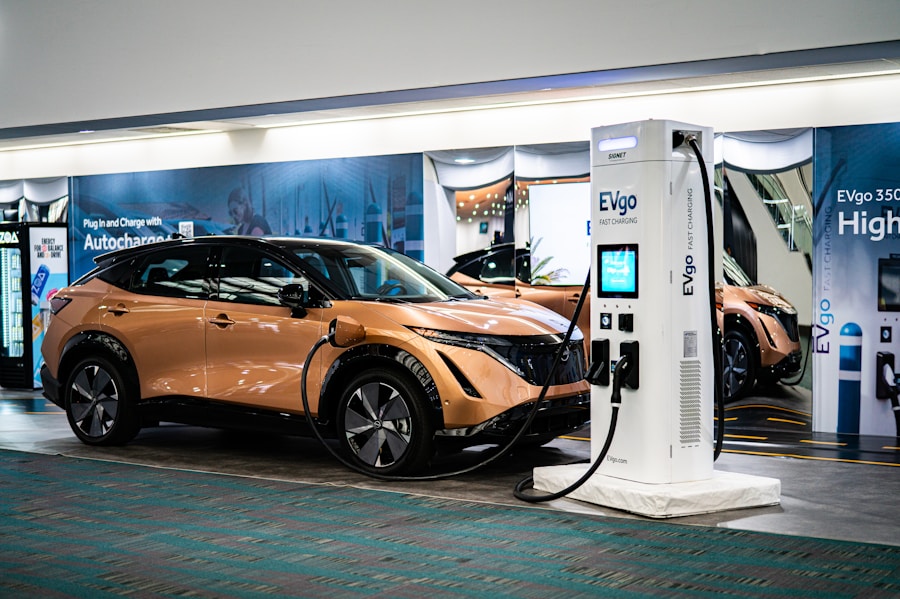
Toyota bZ4X or its Subaru Solterra twin
The Genesis of a Tandem: Understanding Their Shared DNA
Before delving into rental specifics, it’s crucial to acknowledge the fundamental relationship between the Toyota bZ4X and the Subaru Solterra. These aren’t merely similar vehicles; they are, in essence, engineering twins born from a collaborative effort between Toyota and Subaru.
A Joint Venture’s Outcome
The development of the bZ4X and Solterra represents a strategic partnership aimed at combining Toyota’s extensive electrification expertise with Subaru’s renowned all-wheel-drive (AWD) capabilities and off-road pedigree. This collaboration allowed both manufacturers to accelerate their entry into the burgeoning electric SUV market, sharing research, development costs, and core components.
Shared Platform and Powertrain
Both vehicles are built upon the e-TNGA platform, a modular EV architecture designed by Toyota. This platform provides the fundamental underpinnings, including the battery placement, motor mounts, and structural rigidity. Consequently, the bZ4X and Solterra share identical powertrain options. This typically involves a choice between a front-wheel-drive (FWD) configuration with a single motor or an all-wheel-drive (AWD) setup utilizing two motors, one for each axle. Each configuration provides specific power outputs and range estimates, which are generally very close between the two models.
Interior Similarities and Differences
Stepping inside either vehicle reveals a largely congruent cabin. The dashboard layout, infotainment system, and material choices often mirror each other. However, minor stylistic differences in trim, badging, and potentially seat upholstery might exist, reflecting each brand’s distinct aesthetic identity. Functionally, the user interface for climate control, media, and navigation will be remarkably similar, given their shared technological foundation.
Navigating the Rental Landscape: Where to Find Your EV
Locating a Toyota bZ4X or Subaru Solterra for rent can vary depending on your geographical location and the current market penetration of these relatively new EV models. Rental options generally fall into several categories.
Traditional Rental Agencies
As these vehicles gain prominence, major car rental companies are gradually incorporating them into their fleets. Enterprise, Hertz, Avis, and similar large-scale operators are often the first to offer newer EV models, though availability can be regional. It’s advisable to check their websites directly or use their mobile applications to search for specific models or EV categories.
Specialist EV Rental Platforms
The growing demand for EVs has led to the emergence of dedicated electric car rental services. These platforms often have a broader selection of EV models, including newer releases like the bZ4X and Solterra. They may also offer more flexible rental terms or specialized charging solutions as part of their service. Companies like Turo, a peer-to-peer car-sharing marketplace, might also list these models if individual owners decide to rent out their vehicles.
Dealership Loaner Programs
While not strictly “rental” in the traditional sense, some Toyota and Subaru dealerships offer loaner vehicles to customers whose cars are undergoing service. In certain instances, if you have a relationship with a dealership or are considering purchasing one of these EVs, inquiring about a short-term loaner might be an option to experience the vehicle. This is less common for general rental purposes but worth noting.
The Electric Kilometer: Range, Charging, and Infrastructure
Understanding the practicalities of operating an EV is paramount, especially when renting. Range anxiety, while diminishing, remains a legitimate concern for those new to electric mobility. Both the bZ4X and Solterra, sharing the same battery and powertrain, offer comparable range figures.
Understanding Official Range vs. Real-World Driving
The Environmental Protection Agency (EPA) provides estimated range figures for EVs, representing an average under specific test conditions. However, real-world range can fluctuate significantly based on various factors. Aggressive driving, extreme temperatures (both hot and cold), excessive use of climate control, and mountainous terrain can all reduce the effective range. When renting, it’s prudent to factor in a buffer and not solely rely on the maximum advertised range.
Public Charging Networks: A Web of Options
Access to charging infrastructure is a critical component of any EV journey. The bZ4X and Solterra utilize the CCS (Combined Charging System) standard for DC fast charging and J1772 for Level 2 (AC) charging. This allows access to a wide array of public charging networks.
Level 2 (L2) Charging: The Everyday Power-Up
L2 chargers are ubiquitous, found at workplaces, hotels, shopping centers, and public parking lots. They typically add 20-40 miles of range per hour, making them suitable for overnight charging or topping up during longer stops. Most rental situations will involve starting with a full or near-full charge, but understanding L2 charging is crucial for multi-day trips.
DC Fast Charging (DCFC): The Quick Replenishment
DC fast chargers are key for longer journeys, capable of replenishing a significant portion of the battery in a relatively short time – often an 80% charge in under an hour, depending on the charger’s power output and the vehicle’s state of charge. Popular DCFC networks include Electrify America, EVgo, and ChargePoint. You’ll need to familiarize yourself with these networks and their associated apps or payment methods, as rental companies may not provide universal access cards.
Trip Planning with Charging in Mind
For any significant travel, incorporating charging stops into your route planning is essential. Several apps and websites, such as PlugShare, A Better Routeplanner (ABRP), and directly within Google Maps or the vehicle’s navigation system, can help identify charging stations, verify their operational status, and even estimate charging times. Treat charging stops as natural breaks – a meal, a coffee break, or a stretch break – to minimize perceived downtime.
Driving Dynamics: What to Expect Behind the Wheel
Despite their shared underpinnings, subtle tuning differences can manifest in the driving experience of the bZ4X and Solterra. Both provide a modern EV driving sensation, but each brand injects a bit of its character.
Smooth Acceleration and Quiet Operation
As EVs, both vehicles offer instantaneous torque, resulting in smooth and strong acceleration from a standstill. The absence of a combustion engine ensures a quiet cabin experience, which can be particularly calming on longer drives. Road noise and wind noise will be more prominent than engine noise, varying based on tire choice and external conditions.
Handling and Ride Comfort
The e-TNGA platform, with its low-mounted battery, contributes to a low center of gravity. This generally translates to stable handling and reduced body roll during cornering. Ride comfort tends to be composed and compliant, designed for a broad appeal rather than a sporty, firm setup. Differences, if any, often come down to suspension tuning. Subaru, for instance, might lean towards a slightly more robust or adventure-oriented suspension setup tailored for varied terrain.
All-Wheel Drive Prowess (Solterra’s Edge)
While the bZ4X offers an AWD option, the Solterra typically emphasizes its all-wheel-drive capabilities more prominently, leveraging Subaru’s long-standing reputation for symmetrical AWD systems. This often includes features like Subaru’s X-MODE, designed to enhance traction in challenging conditions like snow, mud, or loose gravel. If your rental intentions involve venturing off paved roads, or if you anticipate inclement weather, the Solterra’s specific AWD enhancements might offer an additional layer of confidence.
Cost Considerations and Rental Logistics
table{width:100%;border-collapse:collapse;border:2px solid #f2f2f2}tr{display:table-row;vertical-align:inherit;border-color:inherit;line-height:40px}th,td{padding:12px;text-align:left;border-bottom:1px solid #e5e7eb;line-height:40px}
| Metrics | Toyota bZ4X | Subaru Solterra |
|---|---|---|
| Electric Range (miles) | 250 | 220 |
| Acceleration (0-60 mph) | 7.5 seconds | 7.7 seconds |
| Charging Time (to 80%) | 30 minutes | 33 minutes |
| Price (starting) | 40,000 | 42,000 |
Renting an EV, especially a newer model like the bZ4X or Solterra, can involve different cost structures compared to traditional internal combustion engine (ICE) vehicles. Understanding these nuances is crucial for budgeting.
Rental Rates: Premium for Electric
Generally, newer EV models command a slightly higher daily or weekly rental rate than comparable ICE vehicles. This reflects the higher acquisition cost for rental agencies and the demand for experiencing new technology. However, the cost of “fuel” (electricity) is often significantly lower than gasoline, which can offset the rental premium.
Charging Costs: Varied and Variable
The cost of charging varies widely. Home charging (if you have access to a 240V outlet and suitable equipment) is typically the cheapest. Public Level 2 charging can range from free (often sponsored by businesses) to a few dollars per hour. DC fast charging is invariably the most expensive, often charged by the kWh or by the minute, and can fluctuate significantly between networks and regions. Factor these potential costs into your overall travel budget.
Insurance and Deposit Requirements
Standard rental car insurance policies typically cover EVs. However, it’s always prudent to review your personal auto insurance coverage and the rental company’s offerings to ensure adequate protection. A security deposit is a standard practice for all rentals, and for newer, higher-value vehicles like these EVs, the deposit might be on the higher side.
Return Policy and Battery State
Most rental agreements for EVs stipulate returning the vehicle with a certain percentage of charge, often equivalent to how it was received. Failure to do so might incur surcharges. Clarify this policy upfront to avoid unexpected fees. Some agencies might offer the option to prepay for a “fuel service” where you can return the car with a low charge, though this is often more expensive than charging it yourself.
The Verdict: Is an Electric Adventure Right for You?
Renting the Toyota bZ4X or Subaru Solterra offers a unique opportunity to immerse yourself in the world of modern electric SUVs without a long-term commitment. It serves as an extended test drive, allowing you to assess if an EV fits your lifestyle, driving patterns, and logistical needs.
Key Takeaways for Renters
- Shared Identity: Remember, these are fundamentally the same vehicle with minor branding distinctions. Don’t let the badge confuse you; focus on availability and specific features.
- Plan Your Power: Electric vehicles require forethought regarding charging. Embrace route planning apps and familiarize yourself with charging networks.
- Cost vs. Convenience: Weigh the rental rate against potential fuel savings and the inherent convenience of an EV driving experience.
- Subaru’s Edge: If off-road capability or enhanced AWD is a priority, subtly investigate if the Solterra’s specific tuning or features align better with your needs.
Ultimately, renting an bZ4X or Solterra is more than just transportation; it’s an educational experience. It allows you to feel the quiet acceleration, appreciate the smooth ride, and confront the practicalities of charging infrastructure. Whether it solidifies your decision to purchase an EV or simply provides an enjoyable, eco-conscious journey, the electric adventure awaits for you to define it.
FAQs
1. What are the key features of the Toyota bZ4X and Subaru Solterra Twin SUVs?
The Toyota bZ4X and Subaru Solterra Twin SUVs are both all-electric vehicles with a focus on sustainability and eco-friendly driving. They offer spacious interiors, advanced technology features, and impressive driving ranges.
2. How can I rent the Toyota bZ4X and Subaru Solterra Twin SUVs?
Both the Toyota bZ4X and Subaru Solterra Twin SUVs are available for rental at select car rental agencies and dealerships. Customers can inquire about availability and rental options at their local rental locations.
3. What is the driving range of the Toyota bZ4X and Subaru Solterra Twin SUVs?
The Toyota bZ4X and Subaru Solterra Twin SUVs offer competitive driving ranges on a single charge, making them suitable for both daily commutes and longer road trips. The exact driving range may vary based on driving conditions and other factors.
4. What are some of the advanced technology features in the Toyota bZ4X and Subaru Solterra Twin SUVs?
Both vehicles come equipped with advanced technology features such as touchscreen infotainment systems, smartphone integration, driver-assistance systems, and connectivity options for electric vehicle charging.
5. Are there any incentives or benefits for renting the Toyota bZ4X and Subaru Solterra Twin SUVs?
Some rental agencies and dealerships may offer incentives or benefits for renting electric vehicles like the Toyota bZ4X and Subaru Solterra Twin SUVs, such as discounted rental rates, special promotions, or access to charging networks. Customers are encouraged to inquire about any available incentives when renting these vehicles.
Leave a Reply