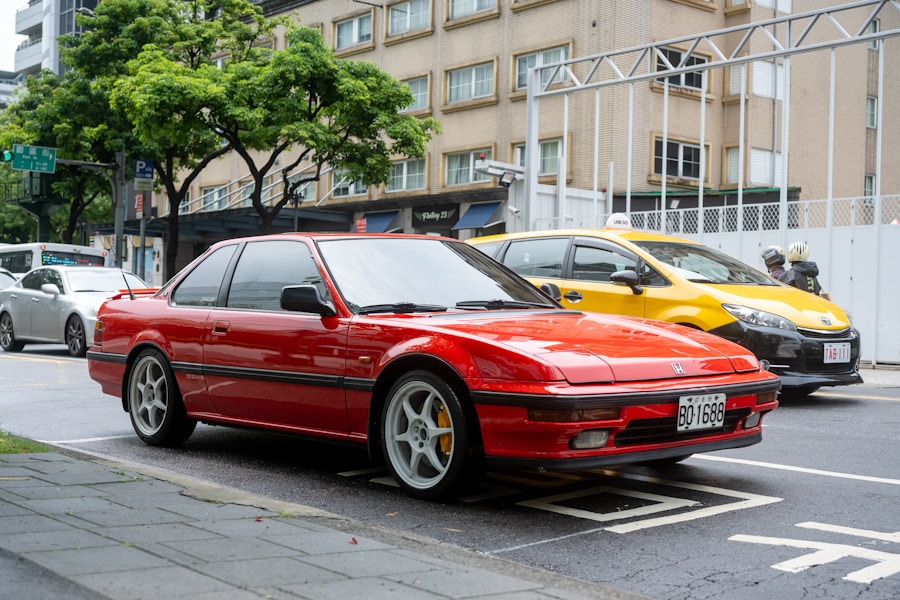
The Honda City has long been a dominant force in its segment, but what exactly makes this car such a perennial favorite? We’re going to dive deep, peeling back the layers to understand the engineering, features, and market positioning that have cemented its status as a segment leader.
Design Philosophy: Evolution, Not Revolution
The Honda City’s exterior design hasn’t undergone a radical overhaul with each generation. Instead, Honda has refined its signature styling cues, opting for an evolutionary approach. This strategy allows the City to remain recognizable while incorporating contemporary design trends.
The “Solid Wing Face” and its Impact
Honda’s design language, often referred to as the “Solid Wing Face,” is characterized by a prominent grille that flows seamlessly into the headlights. This creates a cohesive and assertive front-end appearance. On the City, this translates to a sophisticated, if somewhat conservative, look. For buyers, this means a car that doesn’t scream for attention but rather projects a sense of quiet confidence, a demeanor that ages well, much like a classic watch.
Aerodynamics and Practicality
Beyond aesthetics, the City’s design considers aerodynamic efficiency. Crease lines and contours are not merely decorative; they are sculpted to manage airflow, contributing to fuel economy and high-speed stability. The overall silhouette is also optimized for interior space, a critical factor in the compact sedan market. This dual focus ensures that the car is both pleasing to the eye and functional for everyday use.
Generational Design Shifts
While evolutionary, each generation does bring distinct styling updates. Older models might feature more rounded forms, whereas newer iterations lean towards sharper lines and a more athletic stance. These shifts reflect evolving consumer preferences and technological advancements, such as the integration of LED lighting. Examining these transitions reveals Honda’s consistent effort to keep the City modern without alienating its existing customer base.
Powertrain and Performance: The Heartbeat of the City
At the core of any vehicle’s appeal is its performance, and the Honda City has consistently offered a balanced blend of efficiency and responsiveness.
Engine Options: A Pragmatic Approach
Honda typically offers its City models with a choice of petrol engines, often with displacements that strike a balance between power and fuel economy. For instance, a common offering is a 1.5-liter naturally aspirated petrol engine. This engine is known for its smooth operation and reliability, making it a dependable workhorse for daily commutes and longer journeys. It’s the kind of engine that, with proper maintenance, can serve you reliably for years, like a trusted friend.
The CVT Transmission: Drivability and Efficiency
A significant aspect of the City’s powertrain is its Continuously Variable Transmission (CVT). Honda’s CVT, often branded as ‘Earth Dreams Technology’, is engineered to optimize fuel efficiency by keeping the engine in its most efficient operating range. While CVTs can sometimes be a point of contention for driving enthusiasts due to their unique feel, Honda’s implementation generally offers a smooth and seamless driving experience. For the majority of drivers, this translates to effortless acceleration and remarkably good mileage, especially in stop-and-go traffic.
Performance Metrics: Not a Sports Car, But Capable
It’s important to manage expectations. The Honda City is not designed to be a track-ready sports sedan. Its performance is geared towards everyday usability. Acceleration is brisk enough for overtaking on highways, and the engine provides a refined experience that minimizes cabin noise. The focus is on a comfortable and competent drive, rather than outright speed.
Real-World Fuel Economy
The emphasis on efficiency is evident in the real-world fuel economy figures. The City consistently ranks well in its class for mileage, a crucial selling point for budget-conscious buyers. This frugality makes it a cost-effective choice for those who spend a significant amount of time on the road.
Interior Comfort and Features: A Sanctuary on Wheels
The cabin of the Honda City is designed to be a comfortable and functional space, catering to the needs of both the driver and passengers.
Cabin Space and Ergonomics
One of the City’s long-standing strengths is its generous interior space. Despite its compact exterior dimensions, Honda engineers have maximized cabin volume, offering ample legroom and headroom for occupants. The dashboard layout is intuitive and driver-focused, with all essential controls within easy reach. This thoughtful ergonomics reduce driver fatigue on longer journeys, transforming the car into a comfortable mobile office or a relaxation pod.
Material Quality and Build
Honda generally employs decent quality materials in the City’s cabin. While it might not feature the plushness of premium sedans, the plastics, fabrics, and trim elements are well-assembled and feel durable. This attention to build quality contributes to a pleasant ownership experience and helps the interior retain its appeal over time. The solid construction of the interior can feel like a well-built wooden chair – sturdy and reliable.
Infotainment and Connectivity
Modern iterations of the City are equipped with a comprehensive infotainment system, typically featuring a touchscreen display. This system usually supports smartphone integration (Apple CarPlay and Android Auto), Bluetooth connectivity, and navigation. For the connected driver, these features are not just luxuries but necessities, allowing seamless integration of their digital lives with their driving experience.
Convenience Features: Small Touches, Big Impact
Beyond the headline features, the City often includes numerous small but impactful convenience features. These can range from ample storage compartments and cup holders to rear air conditioning vents and convenient charging ports. These thoughtful additions contribute to the overall practicality and comfort of the cabin, making everyday driving a more pleasant affair.
Safety and Technology: Protecting What Matters
Honda has progressively integrated advanced safety features into the City, reflecting a commitment to passenger well-being.
Advanced Driver-Assistance Systems (ADAS)
Depending on the market and trim level, newer City models may come equipped with a suite of ADAS features. These can include things like adaptive cruise control, lane keeping assist, automatic emergency braking, and blind-spot monitoring. These technologies act as an extra pair of eyes on the road, proactively assisting the driver and mitigating potential hazards. This technological scaffolding is akin to having a vigilant co-pilot.
Passive Safety Features
Alongside active safety systems, the City is designed with robust passive safety features. This typically includes a strong chassis structure that is engineered to absorb impact energy, multiple airbags strategically placed throughout the cabin, and anti-lock braking systems (ABS) with electronic brake-force distribution (EBD). These fundamental safety elements work in concert to protect occupants in the event of a collision.
Vehicle Stability Control (VSC)
Vehicle Stability Control (VSC) is another critical safety technology found in the City. VSC helps to prevent skidding and loss of control by automatically applying brake pressure to individual wheels and reducing engine power when it detects the vehicle is about to lose traction. This feature is particularly valuable in adverse weather conditions or during sudden maneuvers.
Long-Term Reliability and Safety Ratings
Honda has a reputation for building reliable vehicles, and the City is no exception. This inherent reliability translates to fewer unexpected issues and a consistent safety performance over the vehicle’s lifespan. Government and independent safety organizations often award the Honda City with high safety ratings, further validating its protective capabilities.
Market Positioning and Segment Leadership: The Reigning Champion
| Aspect | Details |
|---|---|
| Price Range | Starting from 15,000 |
| Fuel Efficiency | Up to 32 mpg in the city and 42 mpg on the highway |
| Engine Options | 1.5L 4-cylinder engine with 119 hp or 1.0L turbocharged 3-cylinder engine with 120 hp |
| Interior Space | Generous legroom and headroom for both front and rear passengers |
| Safety Features | Standard features include forward collision warning, lane departure warning, and adaptive cruise control |
The Honda City’s enduring success isn’t solely due to its engineering. Its strategic positioning within the market plays a pivotal role.
The “Aspiration” Factor
The City often occupies a slightly more premium space within the sub-compact or compact sedan segment. It aims to be aspirational for buyers upgrading from smaller cars or those looking for a step up in quality and features without venturing into the entry-level luxury market. This positioning allows it to attract a demographic that values brand repuration, build quality, and a refined driving experience. It’s the car that says, “I’ve arrived, but I’m still sensible.”
Target Demographics
The City appeals to a broad demographic, including young professionals, small families, and individuals who seek a reliable, practical, and stylish mode of transportation. Its versatility makes it suitable for both urban commuting and weekend getaways, reinforcing its appeal across different lifestyles.
Competitive Landscape and Differentiation
In a crowded segment filled with strong contenders, the City differentiates itself through Honda’s core strengths: reliability, fuel efficiency, interior space, and a generally comfortable ride. While competitors might offer more aggressive styling or a sportier feel, the City often wins on the merits of its well-roundedness and the confidence it instills in its owner. It’s not always the loudest voice in the room, but it’s the one you can count on.
Longevity and Residual Value
The strong reputation of the Honda City also contributes to its excellent residual values. Cars that are known for their durability and desirability tend to hold their value better in the used car market. This financial advantage can be a significant draw for buyers looking at the long-term cost of ownership. This makes it a wise investment, like a stable bond in a volatile market. The City’s sustained popularity is a testament to Honda’s
ability to consistently deliver a product that meets and often exceeds consumer expectations within its segment.
FAQs
1. What are the key features of the Honda City that make it a segment leader?
The Honda City boasts a spacious and well-designed interior, a fuel-efficient engine, advanced safety features, and a smooth and comfortable ride. It also offers a range of modern technology and connectivity options, making it a popular choice in its segment.
2. What are the different variants available for the Honda City?
The Honda City is available in multiple variants, including the base model, mid-level trims, and the range-topping variant. Each variant offers different levels of features and equipment, catering to a wide range of customer preferences and budgets.
3. How does the Honda City compare to its competitors in the segment?
The Honda City stands out in its segment due to its combination of spacious interior, fuel efficiency, advanced safety features, and modern technology. It competes with other popular models in the segment, but its overall package makes it a segment leader.
4. What are the engine options available for the Honda City?
The Honda City is offered with a range of engine options, including petrol and diesel variants. The petrol engine is known for its smooth performance and fuel efficiency, while the diesel engine offers a good balance of power and efficiency.
5. What are the safety features available in the Honda City?
The Honda City comes equipped with a range of safety features, including multiple airbags, ABS with EBD, rear parking sensors, and a rearview camera. It also offers advanced safety technologies such as stability control and hill-start assist, ensuring a safe driving experience for occupants.
Leave a Reply