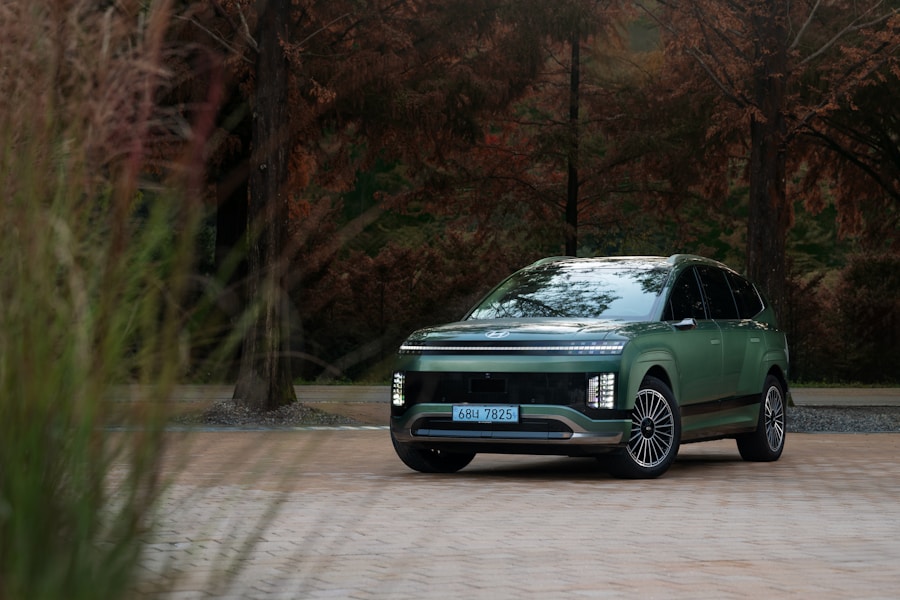
So, you’re eyeing the Honda CR-V Hybrid and wondering if the jump from its gasoline-powered sibling, or perhaps another SUV altogether, is the financially savvy and practical move. We’re here to cut through the noise and give you the straight facts, no fanfare. The short answer? For many, the upgrade to the Honda CR-V Hybrid is indeed a worthwhile investment, but it hinges on your driving habits, priorities, and long-term outlook. Let’s dive in.
Understanding the Powertrain Difference: Two Hearts Beat as One
At the core of the CR-V Hybrid’s appeal lies its sophisticated powertrain. It’s not just a gasoline engine tacked onto an electric motor; it’s an integrated system designed for efficiency and a smoother driving experience. Think of it like a well-oiled duet, where each component plays its part harmoniously to deliver power and sip fuel.
The Hybrid System’s Architecture
Honda employs a two-motor hybrid system. This means it has a traditional gasoline engine, typically a 2.0-liter four-cylinder, that works in conjunction with two electric motors. One electric motor acts as a generator, while the other directly drives the wheels. This setup allows the CR-V Hybrid to operate in various modes: all-electric, gasoline-only, or a combination of both.
Electric-Only Operation: Silent Cruising
Under certain conditions, primarily at lower speeds and during gentle acceleration, the CR-V Hybrid can run solely on electric power. This is where you’ll notice the silence and feel that initial jolt of immediate torque that electric motors are known for. It’s a subtle but significant shift in the driving dynamic.
Gasoline Engine Integration: Seamless Power Delivery
When more power is required, or when the battery needs replenishing, the gasoline engine seamlessly kicks in. The transition is designed to be as smooth as possible, minimizing any perceptible lurch or interruption in power delivery. The system intelligently decides which power source or combination thereof is most efficient for the current driving scenario.
Regenerative Braking: Capturing Lost Energy
A key feature of any hybrid is regenerative braking. When you lift your foot off the accelerator or apply the brakes, the electric motor reverses its role, acting as a generator. This process converts kinetic energy, which would otherwise be wasted as heat through friction brakes, back into electrical energy to recharge the battery. This is akin to a well-managed savings account, where you’re constantly topping up reserves.
The Fuel Economy Advantage: The Big Question
The primary driver for many considering a hybrid is fuel economy. The CR-V Hybrid demonstrably offers better mileage than its gasoline counterpart, but the extent of this benefit is where the investment calculation truly begins.
EPA Estimates: A Baseline for Comparison
Honda provides EPA estimated fuel economy figures for its vehicles. For the CR-V Hybrid, you can expect significantly higher MPG ratings compared to the standard CR-V. These figures typically hover in the high 30s to low 40s for city driving, with highway mileage remaining competitive, though perhaps not as dramatically improved as city figures due to the nature of hybrid systems. This means fewer trips to the gas station, a welcome reprieve for your wallet.
Real-World Performance: Nuances to Consider
It’s crucial to understand that EPA estimates are just that: estimates. Actual fuel economy will vary based on several factors, including your driving style, the type of roads you frequent, the weather conditions, and the load within your vehicle. Aggressive acceleration and high speeds will naturally reduce the hybrid’s advantage, while relaxed city driving will maximize it. Think of it this way: the hybrid system is a finely tuned instrument; how you play it dictates the music.
City Driving: Where the Hybrid Shines
The urban environment is the CR-V Hybrid’s natural habitat for fuel savings. Frequent stops and starts, coupled with lower average speeds, allow the electric motors to do more of the heavy lifting. The regenerative braking system also gets a constant workout, recapturing energy that would otherwise be lost.
Highway Driving: Efficiency Gains Diminish
On the highway, at consistent, higher speeds, the gasoline engine often takes over as the primary power source. While the hybrid system still contributes and optimizes, the fuel economy gains become less pronounced compared to city driving. The electric motors are less frequently engaged for propulsion, and regenerative braking is used sparingly.
The Long-Term Fuel Savings Calculation
To truly assess the investment, you need to project your annual mileage and the current and projected fuel prices. The difference in cost per mile between the hybrid and the gasoline CR-V, multiplied by your annual mileage, gives you a tangible figure for your savings over time. This is where the “upgrade cost” begins to shrink.
Driving Dynamics and Performance: More Than Just Fuel Efficiency
Beyond the pumps, the CR-V Hybrid offers a subtly different driving experience that might appeal to you. The integration of the electric motors can contribute to a smoother, more responsive ride.
Torque and Acceleration: Instantaneous Response
Electric motors deliver instant torque, meaning you get immediate acceleration from a standstill. This can make the CR-V Hybrid feel quicker off the line than its gasoline counterpart, especially in city driving scenarios. It’s the difference between a slow build-up and an immediate response.
Ride Comfort and Noise Levels: A Quieter Cabin
The ability to operate in electric-only mode at lower speeds significantly reduces cabin noise. This creates a more serene and comfortable environment, particularly during commutes or leisurely drives. The electric motors are inherently quieter than internal combustion engines, contributing to a more refined experience.
Handling and Stability: Familiar CR-V Traits
The CR-V is known for its predictable and comfortable handling, and the hybrid version largely maintains these characteristics. While there might be a slight weight difference due to the battery pack, Honda’s engineering generally mitigates any significant impact on the vehicle’s balance and composure.
The Cost of Entry: The Initial Investment
The most significant hurdle for many considering the CR-V Hybrid is its higher initial purchase price. This is where the “upgrade” truly costs upfront.
Price Premium Over Gasoline Models
Generally, hybrid vehicles command a higher MSRP than their non-hybrid counterparts. The CR-V Hybrid is no exception. This price difference represents the cost of the advanced hybrid technology, including the battery pack, electric motors, and sophisticated control systems.
Understanding the Payback Period
The question of “is it worth it?” often boils down to the payback period. This is the amount of time it takes for the fuel savings to offset the initial price premium. You’ll need to factor in your projected savings and the price difference to estimate this timeframe. For some, this period might be a few years; for others, it might be longer.
Incentives and Tax Credits: Potential Brakes on the Cost
Depending on your location and the specific model year, there might be government incentives or tax credits available for purchasing hybrid vehicles. These can help to reduce the initial upfront cost and shorten the payback period. Researching these possibilities is a crucial step in your financial assessment.
Practical Considerations: Beyond the Financials
| Feature | Honda CR-V Hybrid | Non-Hybrid CR-V |
|---|---|---|
| Fuel Efficiency | 50 mpg | 30 mpg |
| Price | 30,560 | 25,350 |
| Electric Range | 40 miles | N/A |
| Power | 212 hp | 190 hp |
Beyond the numbers, there are practical aspects to consider when opting for a hybrid.
Battery Life and Replacement: A Long-Term View
Hybrid vehicle batteries are designed to last for many years, often exceeding the typical ownership period of a vehicle. Honda provides long warranties on their hybrid batteries, offering peace of mind. While battery replacement is a potential future expense, it’s a cost that is generally spread out over a very long time.
Maintenance and Servicing: What’s Different?
Hybrid vehicles have fewer moving parts in their powertrain than traditional gasoline cars. This can sometimes translate to reduced maintenance needs. However, specialized knowledge is still required for servicing hybrid systems, so it’s important to ensure you have access to qualified technicians.
Resale Value: The Hybrid Premium
Historically, hybrid vehicles have often held their resale value well, and in some cases, even better than their gasoline counterparts. This is due to the growing demand for fuel-efficient vehicles and the perceived long-term advantages of hybrid technology.
The Verdict: Is the Honda CR-V Hybrid Upgrade Worth It for You?
Ultimately, the decision to upgrade to the Honda CR-V Hybrid is a personal one, deeply intertwined with your individual circumstances. It’s not a one-size-fits-all answer.
For the High Mileage Driver: A Strong Case
If you cover significant mileage annually, particularly in urban or suburban environments, the fuel savings offered by the CR-V Hybrid can accrue rapidly. The higher initial cost can be more easily absorbed by the ongoing savings at the pump, leading to a shorter payback period and a tangible financial benefit over the vehicle’s lifespan.
For the Environmentally Conscious Consumer: A Step Forward
Beyond the financial aspect, choosing a hybrid vehicle represents a step towards reducing your carbon footprint. The CR-V Hybrid emits less CO2 than its gasoline-only counterpart, contributing to cleaner air and a more sustainable automotive future. This can be a significant factor for many buyers.
For the Tech-Savvy Buyer: Embracing Innovation
The CR-V Hybrid showcases Honda’s commitment to advanced automotive technology. If you appreciate innovation, smooth performance, and a quiet driving experience, the hybrid system offers a refined and modern approach to SUV ownership.
The Counterpoint: When the Upgrade Might Not Be the Best Fit
Conversely, if you are a low-mileage driver, primarily drive on highways at consistent speeds, or are highly price-sensitive to the initial purchase, the payback period for the CR-V Hybrid might be longer than you’re willing to wait. In such scenarios, the gasoline CR-V might remain the more pragmatic choice for your specific needs.
In conclusion, the Honda CR-V Hybrid is a well-executed vehicle that bridges the gap between traditional SUVs and full electrics. The “upgrade” is less about a flashy new gadget and more about a calculated investment in efficiency and a more refined driving experience. For many, the numbers will add up, and the benefits will outweigh the upfront cost. For others, the gasoline CR-V will continue to serve admirably. The key is to crunch your own numbers and weigh your priorities.
FAQs
What is the Honda CR-V Hybrid?
The Honda CR-V Hybrid is a compact crossover SUV that combines a traditional gasoline engine with an electric motor to provide improved fuel efficiency and reduced emissions.
What are the key features of the Honda CR-V Hybrid?
The Honda CR-V Hybrid comes equipped with a 2.0-liter Atkinson-cycle engine, two electric motors, all-wheel drive, and a suite of advanced safety and driver-assist technologies. It also offers a spacious and comfortable interior with ample cargo space.
How does the fuel efficiency of the Honda CR-V Hybrid compare to the non-hybrid model?
The Honda CR-V Hybrid offers significantly improved fuel efficiency compared to the non-hybrid model. It achieves an EPA-estimated 40 mpg in the city and 35 mpg on the highway, making it a more environmentally friendly and cost-effective option for drivers.
What are the benefits of choosing the Honda CR-V Hybrid over the non-hybrid model?
Choosing the Honda CR-V Hybrid over the non-hybrid model provides several benefits, including better fuel efficiency, reduced environmental impact, potential cost savings on fuel, and access to HOV lanes in some states.
Is the upgrade to the Honda CR-V Hybrid worth the investment?
The decision to upgrade to the Honda CR-V Hybrid ultimately depends on individual preferences and priorities. For those seeking improved fuel efficiency, reduced emissions, and advanced technology features, the upgrade may be worth the investment. However, it’s important to consider the upfront cost and potential long-term savings on fuel.
Leave a Reply