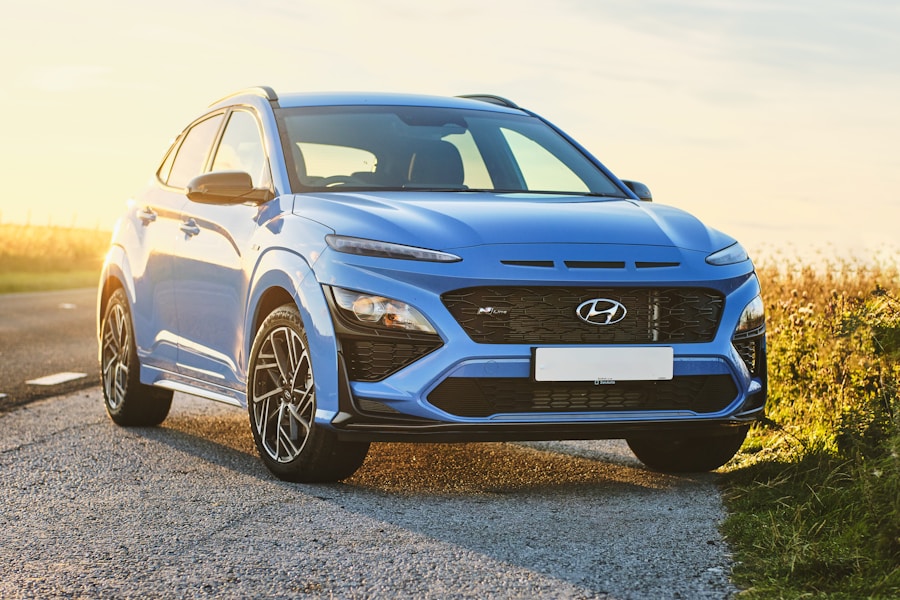
The Hyundai Tucson has emerged as a significant contender in the compact SUV segment. This article will explore the salient features and characteristics that position the Tucson as a noteworthy option for consumers. We will delve into its design, technological advancements, performance capabilities, and practical considerations, providing a comprehensive overview to help you, the reader, make an informed decision.
Design Philosophy and Exterior Aesthetics
When you first encounter the Hyundai Tucson, its design is likely to be one of the first things that captures your attention. Hyundai has embarked on a bold design language across its lineup, and the Tucson serves as a prime example of this direction. The vehicle’s exterior is characterized by a departure from conventional SUV styling, aiming for a more futuristic and dynamic aesthetic.
Parametric Dynamics Exterior
The term “Parametric Dynamics” describes the complex, geometric lines and sharp angles that define the Tucson’s body. Imagine light playing across a faceted gem; that’s the kind of interplay of light and shadow Hyundai has aimed for. This approach provides a distinctive, almost sculpted, appearance that sets it apart from many of its segment rivals. The integrated daytime running lights, which seem to vanish into the grille when off, are a prime example of this innovative design. This integration creates a clean, uninterrupted look, transforming the front fascia into a singular, cohesive element. The overall impression is one of sophistication and modernity, designed to be both eye-catching and aerodynamic.
Interior Ergonomics and Material Quality
Stepping inside the Tucson reveals an interior that continues the modern theme, but with a strong emphasis on user-friendliness and comfort. The cabin is not just about looks; it’s about how you interact with your environment. The design of the dashboard often features a “waterfall” effect, where the center console seamlessly flows down into the transmission tunnel. This design choice contributes to a sense of spaciousness and openness within the cabin.
Materials used throughout the interior are generally of a good quality for the segment, with soft-touch surfaces strategically placed in areas you’d frequently interact with. Stitching, trim pieces, and finishes are typically well-executed, conveying a level of craftsmanship that belies the vehicle’s price point. While premium materials like genuine leather are often reserved for higher trims, even the standard cloth upholstery is designed for durability and comfort. The focus is on creating a refined and comfortable space for both the driver and passengers, offering a practical yet pleasant experience for everyday use.
Technological Integration and Infotainment
In today’s automotive landscape, technology is not just an add-on; it’s an integral part of the driving experience. The Hyundai Tucson incorporates a comprehensive suite of technological features designed to enhance convenience, safety, and connectivity.
Advanced Infotainment System
At the heart of the Tucson’s technological offerings is its infotainment system. Depending on the trim level, you’ll typically find a large touchscreen display, often positioned prominently on the dashboard. These screens are generally intuitive to use, with clear graphics and responsive touch controls. The interface is designed to be user-friendly, minimizing distractions while driving.
Key features often include Apple CarPlay and Android Auto integration, allowing seamless mirroring of your smartphone’s interface for navigation, music, and communication. This means you won’t struggle with proprietary navigation systems if you prefer the familiarity of your phone’s apps. Bluetooth connectivity is standard, facilitating hands-free calling and audio streaming. Furthermore, voice recognition systems are commonly integrated, allowing you to control various functions without taking your hands off the wheel. The system often includes multiple USB ports, ensuring that both front and rear passengers can keep their devices charged. Some higher trims may also feature a premium audio system, enhancing the auditory experience within the cabin.
Driver Assistance Systems (ADAS)
Safety is a paramount concern for any vehicle, and the Tucson is equipped with a robust set of Advanced Driver Assistance Systems (ADAS). These systems act as a second pair of eyes and, in some cases, an additional set of hands to help prevent accidents and reduce driver fatigue. Think of these systems as intelligent co-pilots, working silently in the background to enhance your safety.
Common ADAS features typically found in the Tucson include Forward Collision-Avoidance Assist (FCA), which can detect potential collisions with vehicles, pedestrians, and cyclists, and even apply the brakes if necessary. Lane Keeping Assist (LKA) helps by gently steering the vehicle back into its lane if it drifts without signaling. Blind-Spot Collision-Avoidance Assist (BCA) monitors your blind spots and can provide alerts or even intervene to prevent a collision when changing lanes. Rear Cross-Traffic Collision-Avoidance Assist (RCCA) warns you of approaching vehicles when backing out of a parking spot and can apply the brakes. Adaptive Cruise Control (ACC) helps maintain a set distance from the vehicle ahead, easing long-distance driving. These systems, collectively known as Hyundai SmartSense, contribute significantly to the Tucson’s overall safety rating and aim to provide you with peace of mind on every journey.
Performance and Powertrain Options
The driving experience of the Hyundai Tucson is characterized by a balance of efficiency, comfort, and adequate power delivery. Hyundai offers a variety of powertrain options to cater to different preferences and driving needs, making it a versatile choice in the segment.
Engine and Transmission Offerings
The specific engine options available can vary depending on the market, but typically involve a range of gasoline, hybrid, and plug-in hybrid powertrains. The conventional gasoline engines usually provide a good balance between power and fuel economy, suitable for daily commuting and occasional longer trips. These are often paired with a smooth-shifting automatic transmission, designed to optimize both acceleration and efficiency without being overly aggressive or sluggish.
The hybrid variants, a growing segment, offer improved fuel efficiency by combining a gasoline engine with an electric motor. This setup allows for electric-only driving at lower speeds and provides an extra boost of power when needed, effectively reducing your trips to the gas station. The plug-in hybrid (PHEV) takes this a step further, offering a significantly larger battery that allows for a substantial all-electric driving range before the gasoline engine even needs to kick in. This is particularly appealing for those with shorter commutes who can charge at home or work, effectively turning daily driving into an almost fuel-free experience. The choice of powertrain allows you to select the best fit for your lifestyle and environmental considerations.
Ride Comfort and Handling Dynamics
The Tucson is designed to deliver a comfortable and composed ride, a crucial aspect for a compact SUV. The suspension is generally tuned to absorb road imperfections effectively, providing a smooth journey even on less-than-perfect surfaces. This emphasis on comfort makes it a pleasant vehicle for both city driving and highway cruising, mitigating the fatigue that can set in on longer journeys.
While not overtly sporty, the Tucson typically offers predictable and stable handling. The steering is often light and precise, making it easy to maneuver in urban environments and parking lots. Body roll, while present, is usually well-controlled, ensuring that the vehicle maintains its composure during cornering. This balance of comfort and control makes the Tucson an agreeable companion for a wide range of drivers, providing a practical and reliable driving experience without sacrificing ease of use. It’s a vehicle that aims for balance, avoiding the extremes of either harsh sportiness or excessively soft cushioning.
Practicality and Storage Solutions
A compact SUV is often chosen for its versatility and practicality, and the Hyundai Tucson is designed to meet these expectations head-on. It focuses on providing ample space for passengers and cargo, along with smart storage solutions that cater to the demands of everyday life.
Cargo Capacity and Versatility
The cargo area of the Tucson is typically generous for its class, offering a substantial amount of space with the rear seats in their upright position. This is usually more than enough for weekly grocery runs, luggage for a weekend trip, or sports equipment. The rear seats often feature a 60/40 split-fold configuration, allowing you to expand the cargo volume dramatically when larger items need to be transported. Imagine fitting a flat-pack furniture box or multiple suitcases without having to wrestle them into an awkward position.
When the rear seats are folded down, the load floor is usually relatively flat, which is an important consideration for ease of loading and unloading. This creates an expansive, flexible space, transforming the Tucson into a capable hauler for bigger tasks. Additionally, some trims may offer features like a hands-free power liftgate, making access to the cargo area even more convenient when your hands are full. These features collectively contribute to the Tucson’s utility, making it a versatile tool for a variety of tasks beyond just passenger transport.
Interior Storage and Passenger Space
Beyond the main cargo hold, the Tucson’s interior is thoughtfully designed with numerous smaller storage compartments. These often include a decent-sized glovebox, a deep center console bin, and door pockets that can accommodate water bottles or other small items. These seemingly minor details are crucial for keeping the cabin organized and clutter-free, providing a space for everything from your phone to your sunglasses.
Passenger space is another strong suit of the Tucson. Both front and rear passengers typically enjoy ample headroom and legroom, even for taller adults. The rear seats are not an afterthought; they are designed to provide a comfortable experience for adults on longer journeys, not just short hops. This means that a family of four or five can travel comfortably without feeling overly cramped, making the Tucson a suitable vehicle for family outings or carpooling. The judicious use of interior dimensions ensures that the Tucson maximises its compact footprint to provide a surprisingly spacious and accommodating environment for all occupants.
Ownership Experience and Value Proposition
table{width:100%;border-collapse:collapse;border:2px solid #f2f2f2}tr{display:table-row;vertical-align:inherit;border-color:inherit;line-height:40px}th,td{padding:12px;text-align:left;border-bottom:1px solid #e5e7eb;line-height:40px}
| Feature | Details |
|---|---|
| Engine Options | 2.5L 4-cylinder, 187 hp or 1.6L Turbo, 227 hp |
| Transmission | 8-speed automatic with SHIFTRONIC |
| Infotainment System | 8-inch touchscreen display with Apple CarPlay and Android Auto |
| Safety Features | Forward Collision-Avoidance Assist, Lane Keeping Assist, Blind-Spot Collision Warning |
| Cargo Space | 41.3 cubic feet with rear seats folded down |
When considering a new vehicle, the buying and ownership experience is as important as the vehicle itself. The Hyundai Tucson aims to provide a compelling value proposition through a combination of competitive pricing, comprehensive warranties, and anticipated reliability.
Warranty and Reliability Expectations
Hyundai vehicles, including the Tucson, often come with one of the most generous warranties in the automotive industry. This typically includes a lengthy bumper-to-bumper warranty and an even longer powertrain warranty. This extensive coverage acts as a robust safety net, providing significant peace of mind for you, the owner, knowing that major components are covered for an extended period. It signals the manufacturer’s confidence in the durability and quality of their product, effectively reducing your potential long-term maintenance costs and the anxiety associated with unexpected repairs.
In terms of reliability, Hyundai has generally demonstrated improved performance over the years. Modern Hyundai vehicles often score well in consumer satisfaction and reliability surveys, indicating a consistent effort to produce dependable automobiles. While no vehicle is entirely without potential issues, the Tucson is often seen as a reliable choice within its segment, offering consistent performance and requiring only routine maintenance. This commitment to reliability contributes significantly to the overall value proposition, ensuring that your investment in a Tucson is a sound one over the years.
Pricing and Trim Levels
The Hyundai Tucson is offered in a range of trim levels, each designed to cater to different budget considerations and feature preferences. This tiered structure allows you, the buyer, to select a model that aligns with your specific needs without paying for features you may not desire. The base models typically offer a strong foundation of standard equipment, including essential safety features and connectivity options, providing excellent value for money.
As you move up through the trim levels, additional comfort, convenience, and technological features become available. These can include larger infotainment screens, premium audio systems, fancier upholstery, more advanced driver assistance systems, and aesthetic upgrades like larger alloy wheels or LED lighting. Hyundai is known for offering a significant amount of standard equipment even on lower trims, making the Tucson a competitive offering in terms of features per dollar. Transparent pricing and readily available information on trim differences empower you to make an informed decision, ensuring you get the most out of your investment while staying within your budget.
In conclusion, the Hyundai Tucson presents itself as a thoughtful, well-equipped, and stylish option within the competitive compact SUV segment. Its distinctive design, comprehensive technology, various powertrain options, and practical interior combine to offer a compelling package for a wide range of buyers. It aims to strike a balance between innovation and practicality, offering a modern driving experience without sacrificing the core functionality expected of an SUV. When you consider its extensive warranty and competitive pricing, the Tucson makes a strong case for itself as a worthy contender in your vehicle search.
FAQs
What is the Hyundai Tucson?
The Hyundai Tucson is a compact SUV that offers a stylish design, advanced technology, and a comfortable interior. It is known for its reliability and fuel efficiency.
What are the key features of the Hyundai Tucson?
The Hyundai Tucson comes equipped with a range of features including a user-friendly infotainment system, advanced safety features, spacious cargo area, and a smooth ride quality. It also offers a choice of efficient engines and available all-wheel drive.
What sets the Hyundai Tucson apart from other compact SUVs?
The Hyundai Tucson stands out from other compact SUVs due to its modern design, comfortable and well-equipped interior, advanced safety features, and a smooth and quiet ride. It also offers a generous warranty and competitive pricing.
What are the available trim levels for the Hyundai Tucson?
The Hyundai Tucson is available in several trim levels including the SE, Value, SEL, Sport, Limited, and Ultimate. Each trim level offers different features and options to suit various preferences and budgets.
Is the Hyundai Tucson a good choice for a compact SUV?
The Hyundai Tucson is a popular choice for a compact SUV due to its combination of style, comfort, technology, and value. It is a reliable and practical vehicle that appeals to a wide range of drivers.
Leave a Reply