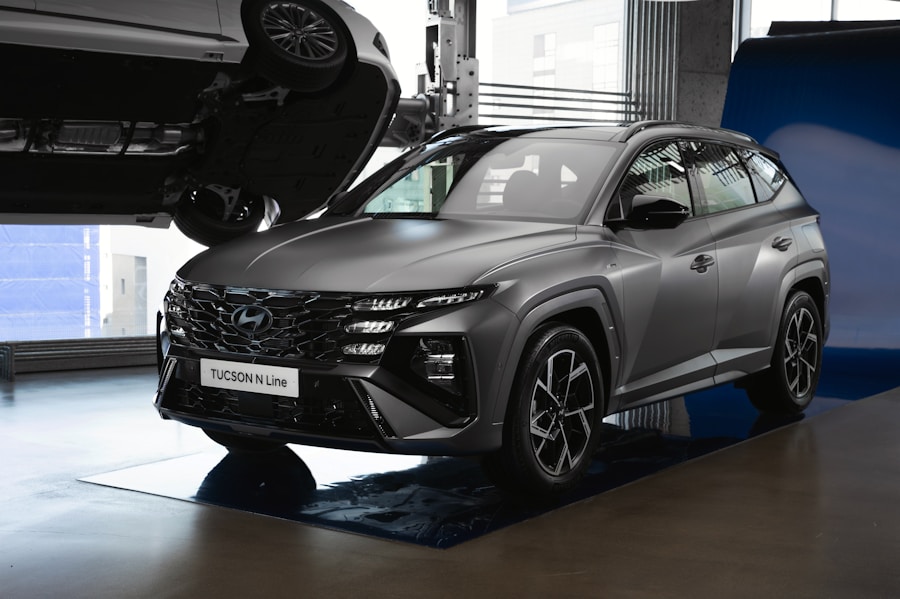
The Hyundai Tucson Plug-In Hybrid (PHEV) redefines the commuting experience by offering a compelling blend of electric vehicle (EV) capability and the practicality of a gasoline engine, effectively bridging the gap between traditional internal combustion engine (ICE) vehicles and fully electric cars. For many commuters, it represents a versatile solution that addresses concerns about range anxiety while simultaneously reducing fuel consumption and emissions. This article will delve into how the Tucson PHEV achieves this redefinition, examining its technical specifications, practical benefits, and the implications for daily driving.
The Powertrain: A Dual-Natured Heart
At the core of the Tucson PHEV’s redefinition is its sophisticated powertrain, a harmonious integration of electric and gasoline propulsion. This hybrid system is not merely an afterthought but a carefully engineered construct designed to optimize efficiency and performance across various driving scenarios.
Engine and Electric Motor Synergy
The Tucson PHEV typically employs a 1.6-liter turbocharged four-cylinder gasoline engine, known for its efficiency and relatively strong output for its size. This engine works in conjunction with an electric motor, usually integrated within the transmission. This electric motor provides instantaneous torque, a characteristic often lauded in electric vehicles, which translates into brisk acceleration from a standstill and responsive power delivery in city driving. The combined output of these two power sources often exceeds that of conventional gasoline-only vehicles in its class, offering a surprising level of performance for a hybrid. You, as the driver, will notice this immediately when merging onto a highway or navigating through urban traffic.
Battery Capacity and Electric Range
One of the most crucial aspects of any plug-in hybrid is its battery. The Tucson PHEV features a lithium-ion polymer battery pack, typically with a capacity designed to provide a substantial all-electric range. This range is often sufficient to cover most daily commutes without engaging the gasoline engine. Imagine your daily drive to work, errands, or school drop-offs being completed entirely on electricity, effectively transforming your vehicle into an EV for a significant portion of your driving. This electric-only capability not only saves on fuel costs but also contributes to a quieter, smoother driving experience devoid of engine vibrations and noise.
Charging: A Simple Integration into Daily Life
The “plug-in” aspect of the Tucson PHEV is central to its utility. Unlike traditional hybrids that solely rely on regenerative braking to recharge their small batteries, the PHEV allows for external charging, unlocking its full potential as a fuel-saving and low-emission vehicle.
Level 1 and Level 2 Charging Options
Charging the Tucson PHEV is designed to be convenient. You have two primary options: Level 1 and Level 2 charging. Level 1 charging utilizes a standard household 120-volt outlet, the same one you use for your toaster or laptop. While slower, it allows you to charge your vehicle overnight, replenishing the battery while you sleep. Think of it as a nightly top-up, ensuring your car is ready for its electric commute every morning. Level 2 charging, on the other hand, involves a 240-volt outlet and a dedicated charging unit. This significantly reduces charging times, making it ideal for those who require faster turnaround or frequently drain their battery during the day. Many public charging stations offer Level 2 charging, further expanding your options.
Maximizing Electric Driving
To truly redefine your commuting experience, embracing the charging routine is key. Regularly plugging in your Tucson PHEV, whether at home or at work, maximizes your daily electric driving range. This consistent charging habit is the “secret sauce” to unlocking significant fuel savings and reduced emissions. Consider a scenario where your daily commute is 25 miles round trip. If your Tucson PHEV offers an electric range of 30 miles, you could potentially complete your entire commute without using a single drop of gasoline. This dramatically lowers your per-mile operating costs and lessens your environmental footprint.
Performance and Driving Dynamics: A Refined Experience
Beyond its powertrain, the Tucson PHEV also offers a driving experience that sets it apart, blending quiet efficiency with competent handling.
Smooth Acceleration and Quiet Operation
The electric motor’s instant torque provides a noticeable advantage in urban driving. From a traffic light, the car accelerates smoothly and silently, without the lag often associated with gasoline engines. This quiet operation extends to highway cruising when the electric motor assists the gasoline engine or takes over entirely at lower speeds. This hushed cabin environment contributes to a less fatiguing commute, allowing you to arrive at your destination feeling more refreshed. It’s like having a personal sanctuary on wheels, insulating you from the typical hustle and bustle of traffic.
Balanced Handling and Comfortable Ride
Despite the added weight of the battery pack, the Tucson PHEV maintains a balanced ride quality. Hyundai engineers have typically tuned the suspension to absorb road imperfections effectively, providing a comfortable journey for both the driver and passengers. The steering is often precise enough to instill confidence, while the overall handling characteristics align with what one would expect from a modern compact SUV – predictable and secure. This balance ensures that the redefined commuting experience is not just efficient but also enjoyable.
Interior and Technology: Enhancing the Journey
The interior of the Tucson PHEV isn’t just a place to sit; it’s a thoughtfully designed space that integrates technology to enhance your commute.
Digital Cockpit and User-Friendly Infotainment
Modern vehicles increasingly rely on digital interfaces, and the Tucson PHEV is no exception. Its digital instrument cluster often provides clear, customizable information about your driving, including battery charge, electric range, and energy flow. The central infotainment system typically features a large touchscreen display, offering intuitive control over navigation, media, and vehicle settings. Integration with smartphone platforms like Apple CarPlay and Android Auto is usually seamless, allowing you to access your favorite apps and communication tools safely. These technologies transform the mundane act of driving into a more connected and informed experience.
Advanced Driver-Assistance Systems (ADAS)
Safety is paramount, and the Tucson PHEV usually comes equipped with a comprehensive suite of Advanced Driver-Assistance Systems (ADAS). These features can include adaptive cruise control, lane-keeping assist, blind-spot monitoring, and forward collision avoidance. These systems act as extra sets of eyes and ears, working proactively to mitigate potential hazards and reduce driver fatigue, especially during long or challenging commutes. Consider adaptive cruise control, which automatically adjusts your speed to maintain a safe distance from the vehicle ahead – it’s like having an invisible co-pilot taking some of the stress out of stop-and-go traffic.
Practical Considerations and Long-Term Value
table{width:100%;border-collapse:collapse;border:2px solid #f2f2f2}tr{display:table-row;vertical-align:inherit;border-color:inherit;line-height:40px}th,td{padding:12px;text-align:left;border-bottom:1px solid #e5e7eb;line-height:40px}
| Feature | Specification |
|---|---|
| Engine | 1.6L Turbo GDI 4-cylinder |
| Electric Motor | 67kW (90PS) |
| Battery Capacity | 13.8kWh |
| Electric Range | Up to 32 miles |
| Combined Range | Up to 500 miles |
| Charging Time | 2.5 hours (Level 2 charger) |
| MPGe | 70 MPGe |
Examining the Tucson PHEV within a broader context reveals its long-term benefits and economic implications for the savvy commuter.
Fuel Savings and Reduced Environmental Impact
The most immediate and tangible benefit of the Tucson PHEV for many drivers is the potential for significant fuel savings. By regularly utilizing its electric range, you can dramatically decrease your dependence on gasoline, especially if your commute falls within the electric-only capability. This not only lightens the burden on your wallet but also reduces your carbon footprint, contributing to cleaner air. It’s akin to having a personal power plant in your driveway that charges your car for pennies on the dollar compared to traditional gasoline.
Eligibility for Incentives and HOV Lane Access
Depending on your region, purchasing a PHEV like the Tucson may qualify you for various government incentives, such as tax credits or rebates. These financial incentives can significantly reduce the effective purchase price, making the PHEV an even more attractive proposition. Furthermore, in some areas, PHEVs may be eligible for access to High-Occupancy Vehicle (HOV) lanes, even with a single occupant. This perk can shave valuable minutes off your commute, transforming a congested drive into a smoother, faster journey.
Maintenance and Reliability
While hybrids and PHEVs introduce additional complexity with their dual powertrains, modern designs have proven to be quite reliable. The gasoline engine often experiences less wear and tear due to its reduced operating hours, particularly if you primarily drive on electric power. Battery degradation, a common concern, is typically managed by sophisticated battery management systems and is often backed by substantial warranties. For you, the driver, this usually translates to predictable maintenance schedules and prolonged vehicle longevity.
In conclusion, the Hyundai Tucson Plug-In Hybrid offers a multifaceted approach to redefining the commuting experience. It’s not just a car; it’s a flexible tool that adapts to your needs, providing the efficiency of an EV for daily tasks and the extended range of a gasoline engine for longer journeys. By understanding its capabilities, embracing its charging requirements, and leveraging its technological advancements, you can transform your daily drive from a monotonous necessity into an efficient, comfortable, and environmentally conscious journey. It presents a compelling pathway for individuals seeking to navigate the modern automotive landscape with practicality and foresight.
FAQs
What is the driving range of the Hyundai Tucson Plug-In Hybrid?
The Hyundai Tucson Plug-In Hybrid has an estimated all-electric driving range of up to 32 miles, making it an ideal choice for daily commuting and short trips.
What is the charging time for the Hyundai Tucson Plug-In Hybrid?
The Hyundai Tucson Plug-In Hybrid can be fully charged in approximately 2 hours and 15 minutes when using a Level 2 charger, making it convenient for quick recharging during the day.
What are the performance specifications of the Hyundai Tucson Plug-In Hybrid?
The Hyundai Tucson Plug-In Hybrid is equipped with a 1.6-liter turbocharged engine and an electric motor, producing a combined 261 horsepower and 350 lb-ft of torque, providing a responsive and efficient driving experience.
What are the key features of the Hyundai Tucson Plug-In Hybrid?
The Hyundai Tucson Plug-In Hybrid comes with features such as a 10.25-inch touchscreen infotainment system, wireless smartphone charging, Hyundai SmartSense safety suite, and Blue Link connected car services.
What is the pricing and availability of the Hyundai Tucson Plug-In Hybrid?
The pricing and availability of the Hyundai Tucson Plug-In Hybrid may vary by region and dealership. It is recommended to contact a local Hyundai dealership for the most up-to-date information on pricing and availability.
Leave a Reply