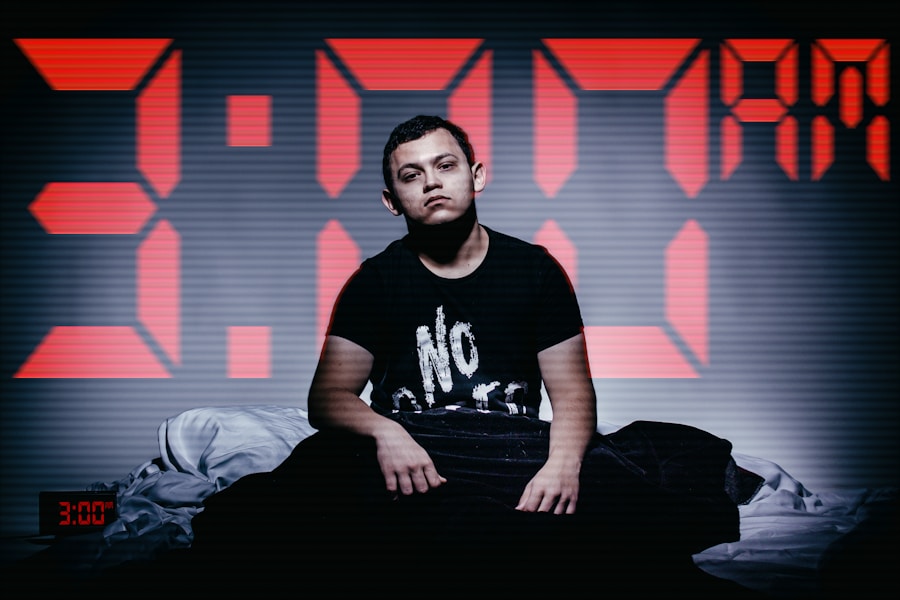
I began this personal 30-day no-sleep experiment out of curiosity about whether extra waking hours could improve productivity or creativity. Instead, the experience was marked by caffeine dependence, disrupted sleep patterns, chronic fatigue, memory impairment, declining concentration, and serious physical and mental health effects. The account below is not a recommendation: prolonged sleep deprivation can be dangerous, and anyone experiencing it should seek medical help.
The Experiment: What Happened When I Went 30 Days Without Sleep
The initial decision felt monumental, a defiance of biological imperative. I informed my closest friends and family, not necessarily for their approval, but for their understanding should I exhibit… unusual behavior. The first few days were deceptively easy. There was an exhilarating buzz, a feeling of having unlocked extra hours in the day. My alarm clock became an antique relic, a symbol of a bygone era of time constraints. I felt like a secret operative, privy to a hidden dimension of existence.
The First Week: A False Sense of Triumph
The novelty was intoxicating. My apartment, usually a sanctuary for rest, transformed into a 24/7 laboratory. I found myself tackling chores with unprecedented vigor, organizing drawers I’d avoided for months, even deep cleaning the oven – a task I’d previously considered Herculean. Evenings, once signaling a winding down, now opened up a vast expanse of productive potential. I’d read, write, and experiment with hobbies for hours on end, fueled by a potent cocktail of adrenaline and sheer willpower. It felt like I was finally catching up on a lifetime of perceived wasted hours.
Week Two: Cracks Begin to Show
By the second week, the honeymoon phase was clearly over. The initial energetic surge had been replaced by a pervasive, unshakeable fatigue. It wasn’t the kind of tiredness that a short nap could fix; it was a deep, bone-weary exhaustion that clung to me like a damp shroud. My thoughts, once sharp and clear, began to fray at the edges. Simple tasks that had been simple just days before now required a Herculean effort of concentration. The world around me seemed to be moving in slow motion, while my own mind felt like it was stuck in overdrive, yet simultaneously sluggish.
The Descent: Days 15-25
This period was the crucible. My physical body began to protest in earnest. My eyes felt permanently gritty, as if I’d been staring into the sun for days. My skin took on a sallow hue, and dark circles under my eyes became permanent fixtures. My appetite fluctuated wildly. Some days I’d feel an insatiable craving for sugary, processed foods, while others I’d have no desire to eat at all, even when I knew I should. The lack of sleep amplified every ache and pain my body might have harbored, transforming them into constant companions. Mentally, it was a rollercoaster. Moments of intense focus and clarity would be punctuated by periods of profound disorientation and a sense of surreal detachment from reality. I’d find myself staring blankly at a wall, my mind a jumbled mess of disparate thoughts.
Productivity: How Lack of Sleep Impacted My Work and Daily Tasks
The promise of increased productivity was an illusion I pursued recklessly. Although I experienced brief bursts of activity, prolonged sleep deprivation ultimately reduced my accuracy, concentration, emotional stability, and ability to complete routine tasks.
The Illusion of Efficiency
In the early days, I believed I was a productivity machine. I could get through my email inbox in a fraction of the usual time. I’d finish reports with what felt like lightning speed. However, upon reviewing my work later, I consistently found errors, rushed sentences, and a general lack of polish. The speed was an illusion born from a desperate need to be doing something, anything, to avoid confronting the encroaching fatigue.
Decimation of Cognitive Function
As the experiment progressed, my cognitive functions, the very engine of productivity, began to crumble. Decision-making became agonizingly slow and often flawed. My problem-solving skills plummeted. I’d find myself stuck on simple logical puzzles that would have been trivial before. The ability to multitask, once a source of pride, vanished entirely. I could only focus on one thing at a time, and even that single focus was fragile, easily broken by the slightest distraction.
The Ripple Effect on Daily Life
Beyond my work, my ability to manage daily life became a significant challenge. Simple routines, like preparing a meal or remembering appointments, became Herculean tasks. I’d forget where I put things, miss calls from friends, and generally navigate the world with a cloud of absentmindedness. The efficiency I initially craved had been replaced by a pervasive inefficiency, a constant battle against my own failing faculties.
Creativity: Exploring the Relationship Between Sleep Deprivation and Creative Thinking
This was perhaps the area I was most eager to explore. Would the lack of sleep unlock some hidden latent creativity, as some anecdotal evidence suggested? The reality was far more nuanced and ultimately, disappointing.
The Anecdotal vs. The Actual
The romantic notion of the sleep-deprived artist often paints a picture of wild, untamed inspiration. I had hoped to tap into that. While there were moments of intense, almost feverish ideation, these were rarely accompanied by the mental clarity or focus needed to develop them into anything substantial. It was like having a thousand fleeting thoughts, none of which I could grasp long enough to examine.
The Erosion of Abstract Thought
My ability to engage in abstract thinking, a cornerstone of creativity, began to suffer. I found it difficult to make connections between seemingly unrelated concepts. The imaginative leaps that often spark creative breakthroughs became increasingly rare. Instead, my thoughts tended to be more literal, grounded, and unimaginative. It was as if the fertile ground for new ideas had been parched and barren.
The Paradox of Insight
There were fleeting moments of apparent insight, flashes of understanding that felt profound. However, these were often fragile and ephemeral. I’d jot them down with frantic urgency, only to find them nonsensical or underdeveloped when I re-read them later. The lack of sleep seemed to inhibit the sustained mental effort required to cultivate these nascent ideas into meaningful creative output. Instead of sparking innovation, it seemed to stifle it, leaving me with an abundance of fragmented thoughts and a dearth of coherent concepts.
Physical and Mental Health: The Toll of 30 Days Without Sleep
The physical and mental toll of this experiment was, without question, the most significant and the most concerning aspect. It was a stark and brutal reminder of the fundamental importance of sleep.
The Body’s Rebellion
My body’s protest was undeniable. My immune system seemed to be in constant disarray. I found myself catching every minor illness going around. My skin suffered, becoming dry, breakouts becoming commonplace. My eyes were perpetually bloodshot and sore. My digestive system was erratic, adding another layer of discomfort to my already strained existence. The physical exhaustion was profound, a constant, throbbing reminder of the biological debt I was accruing.
The Mental Landscape: Anxiety, Irritability, and Paranoia
On the mental front, the damage was equally, if not more, devastating. My latent anxieties morphed into full-blown panic attacks. Irritability became my default setting; the smallest inconvenience could send me spiraling into a rage. I experienced moments of mild paranoia, questioning the intentions of people around me, convinced they were plotting against me. My emotional regulation capabilities were virtually nonexistent. I was a raw nerve, exposed and vulnerable to every external stimulus.
The Grim Reaper of Cognition
The most terrifying aspect was the steady decline of my cognitive faculties. My memory became a sieve. I’d forget conversations I’d had just hours before. My concentration was negligible. The ability to process information at a normal speed seemed to vanish. It felt like watching my own brain disintegrate, piece by piece, a slow and agonizing self-destruction. The consequences were not just inconvenient; they were a genuine threat to my well-being.
Coping Strategies: How I Managed to Function Without Sleep

Surviving 30 days without sleep wasn’t about thriving; it was about a desperate, gritty determination to simply function. My coping mechanisms were often crude, reactive, and born out of necessity.
The Caffeine Crusade
Caffeine became my lifeline. It was a constant companion, a bitter elixir that offered fleeting moments of reprieve from the crushing fatigue. Coffee, energy drinks, caffeine pills – I consumed them all in alarming quantities, chasing the ephemeral buzz that allowed me to push through the day. The reliance was absolute, and I knew, even then, that this was a dangerous crutch.
Strategic Napping (the irony!)
Despite the “no sleep” mandate, I found myself occasionally succumbing to microsleeps. These were not conscious decisions but rather involuntary lapses, brief moments where my brain would shut down for seconds, or sometimes a minute or two, at a time. I learned to recognize the warning signs and would often position myself in a safe place to minimize the risk of accidents. These brief respites, however, were not restorative in any meaningful way.
The Power of Routine and Structure
In the chaos of my internal world, external structure became paramount. I clung to rigid routines for my daily tasks, no matter how simple. This autopilot approach, while not always efficient, required less conscious thought and decision-making, which was a precious commodity I no longer possessed. Having a pre-determined order of operations helped me navigate the fog of my mind.
Distraction as a Defense Mechanism
When the weight of exhaustion became too much, I found solace in distraction. Engaging in passive activities, like watching mindless television or listening to music, allowed my mind to drift, offering a temporary escape from the relentless awareness of my own suffering. It was a way to numb the persistent discomfort and the increasing disorientation that plagued me.
Unexpected Results: Surprising Outcomes of the No Sleep Experiment
As with any experiment, there were outcomes that defied my initial predictions, some intriguing, others deeply unsettling.
Heightened Sensory Awareness (initially)
In the first few days, I noticed a peculiar sharpening of my senses. Colors seemed more vibrant, sounds more distinct, and smells more pungent. This was, I suspect, a hyper-awareness born from the brain’s desperate attempt to extract more information from its environment when its internal processing power was compromised. It was a fleeting, almost artificial intensity, and it quickly faded into a dulling of sensory perception.
A Strange Sense of Detachment
Beyond the expected irritability, I developed a peculiar sense of detachment from my own life. It was as if I were watching myself from the outside, an observer in my own existence. This detachment, while unsettling, also offered a strange kind of relief. I felt less affected by the discomfort and the mounting challenges, as if they were happening to someone else.
The Diminishing Returns of Wakefulness
The most surprising outcome was the swiftness with which the perceived benefits of extra waking hours evaporated. What I initially believed to be a gain in time quickly transformed into a loss of efficacy. The hours I “gained” were hollow, devoid of the cognitive power to make them truly productive or enjoyable. The illusion of abundance was quickly replaced by the harsh reality of scarcity – a scarcity of mental clarity and physical energy.
Lessons Learned: What I Took Away from the 30-Day No Sleep Challenge
Stepping back from the brink of complete sleep deprivation, the lessons learned are not just profound; they are etched into my very being.
The Indispensable Nature of Sleep
The most obvious, yet the most crucial, lesson is the irrefutable, indispensable nature of sleep. It is not a luxury; it is a fundamental biological necessity. It is the bedrock upon which all our cognitive, emotional, and physical functions are built. To neglect it is to dismantle ourselves from the inside out.
The False Economy of Sacrificing Sleep for Productivity
The experiment shattered the myth that sacrificing sleep leads to greater productivity. The short-term gains are a dangerous illusion, a Faustian bargain that ultimately leads to a precipitous decline in efficiency and quality. True productivity is a marathon, not a sprint, and sleep is the essential fuel for endurance.
The Fragility of Creativity
I learned that creativity is not a boundless wellspring that can be tapped indefinitely. It requires a rested, healthy mind. The fragmented thoughts and lack of sustained focus I experienced demonstrated that creativity is a delicate bloom that needs specific conditions to flourish, and continuous wakefulness is not among them.
A Deepened Respect for My Body and Mind
This challenge has instilled in me a profound respect, and indeed, a sense of awe, for the intricate machinery of my own body and mind. I have always understood the importance of sleep intellectually, but now I feel it in my bones. It has transformed me from a mere believer in sleep to a fervent advocate for its power. The 30 days were a brutal tutor, but the lessons were invaluable, and the experience, though harrowing, has ultimately led to a more mindful and appreciative approach to my own well-being. I would never recommend this to anyone, but for me, it was a stark, unforgettable education.
FAQs
1. What were the surprising effects on productivity and creativity during the 30-day no sleep experiment?
During the 30-day no sleep experiment, the individual experienced a decline in productivity and creativity. They found it increasingly difficult to focus on work tasks and generate new ideas, leading to a decrease in overall performance.
2. How did lack of sleep impact the individual’s work and daily tasks?
The lack of sleep significantly impacted the individual’s ability to perform daily tasks and work responsibilities. They struggled with concentration, memory, decision-making, and overall cognitive function, leading to a decrease in productivity and efficiency.
3. What is the relationship between sleep deprivation and creative thinking based on the experiment?
The experiment revealed that sleep deprivation had a negative impact on creative thinking. The individual found it challenging to come up with innovative ideas and solutions, and their ability to think outside the box was hindered by the lack of sleep.
4. What were the physical and mental health tolls of going 30 days without sleep?
The toll of 30 days without sleep took a significant toll on the individual’s physical and mental health. They experienced symptoms such as extreme fatigue, irritability, mood swings, hallucinations, and an overall decline in their well-being.
5. How did the individual manage to function without sleep and what were the unexpected results of the no sleep experiment?
The individual employed coping strategies such as short naps, caffeine intake, and light exercise to manage their functioning without sleep. Unexpected results included heightened anxiety, increased sensitivity to light and sound, and a greater appreciation for the importance of sleep.
Leave a Reply